
Flowers are so much more than just a beautiful and colorful addition to the garden. Did you know that there are also edible flowers that can add aroma, texture and even taste to your favorite cocktails?
Edible flowers come in a variety of flavors and textures and can be used in a variety of ways as a cocktail garnish. You can use them raw, dried, or in candied form.

When choosing an edible flower for your cocktail garnish, the key is to look for flowers that have complementary tastes and aromas.
It is important to identify the exact flower and use only flowers specifically grown or sold for culinary use. Avoid flowers from florists, nurseries, roadsides, or plants treated with pesticides that are not labeled for food crops. Because common names can be misleading, check the botanical name when possible and introduce unfamiliar edible flowers in small amounts, especially if you have pollen or plant allergies.
When in doubt, leave the flower out of the drink and use it as table decor instead.
Before serving fresh flowers, gently dip them in cool water and let them dry on a paper towel. For many flowers, removing the stem, stamens, pistils, and other non-petal parts improves both flavor and presentation.
Here are 11 edible flowers for cocktail garnishes (and some delicious cocktail recipes) to try at your next cocktail party:
- Hibiscus
- Nasturtiums
- Roses
- Violas
- Orchids
- Lavender
- Pansies
- Marigolds
- Sunflowers
- Cherry Blossoms
- Chamomile
Hibiscus
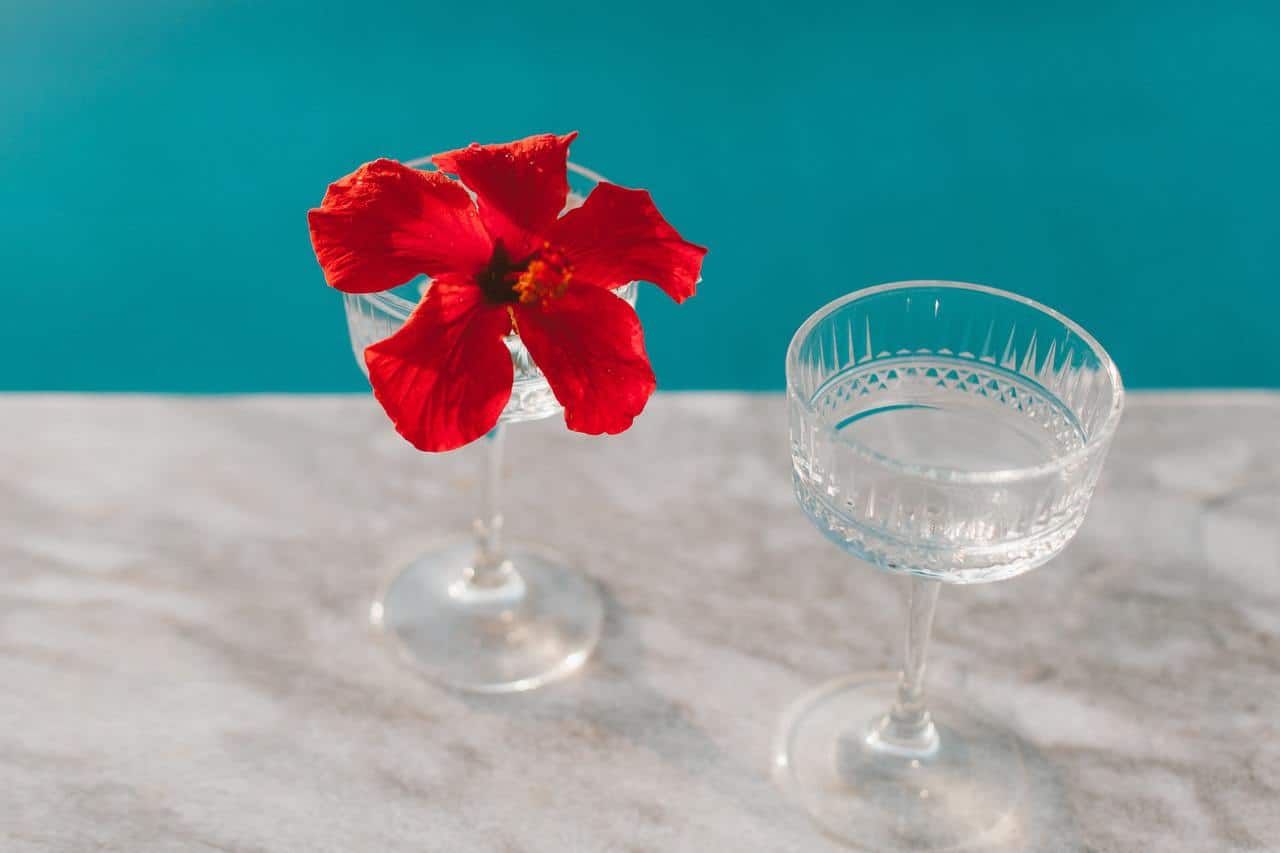
With a tart, floral flavor often compared with cranberry, culinary hibiscus is a natural fit for cocktails, syrups, teas, and punches. Choose hibiscus specifically sold for food use; roselle (Hibiscus sabdariffa) is the familiar tart type commonly used in teas and drink syrups.
The hibiscus flower makes a beautiful and tasty addition to a cocktail and adds a bold pop of color.
Try this Whiskey Hibiscus Cocktail!
Nasturtiums
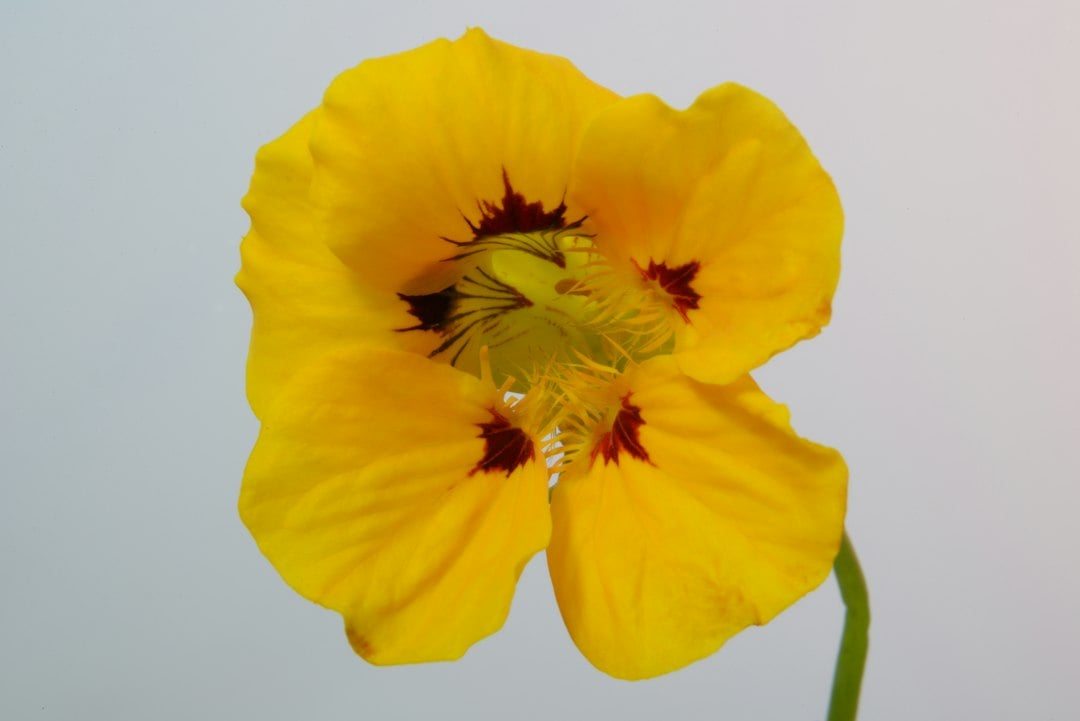
Nasturtiums (Tropaeolum majus) have a peppery, slightly spicy flavor and vivid color. They work especially well with gin, tequila, citrus, cucumber, and herb-forward cocktails. Use the whole culinary-grade flower as a garnish, or scatter a few petals over the top of the drink.
Both the flowers and leaves of nasturtium are edible when the plant is grown for food, but the flowers are the star in drinks. Their peppery bite is especially nice when the cocktail itself leans sweet or citrusy.
Try floating a nasturtium on a margarita, gimlet, or gin and tonic just before serving.
Roses
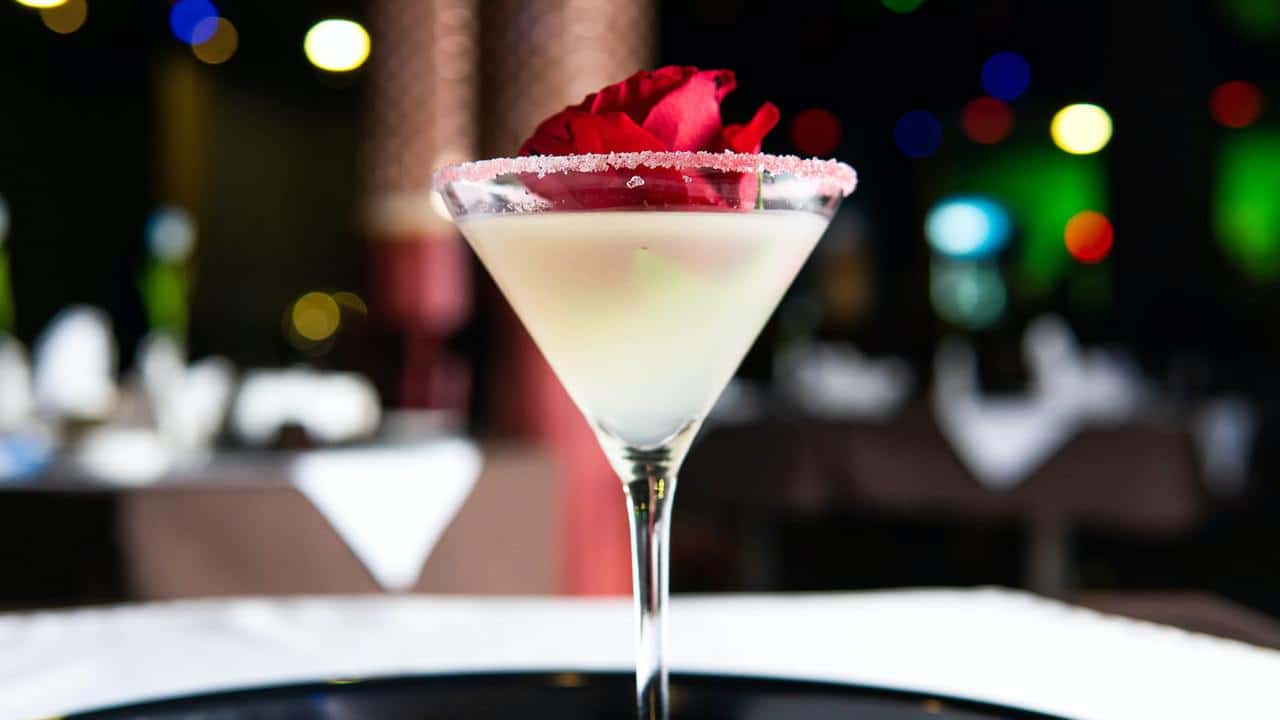
If you’re planning to serve up a classy cocktail with rum, gin, bourbon or vodka, roses are the perfect edible flower for your cocktail garnish. While red is the most popular color of rose to use as a garnish, yellow and white roses may also be used.
Rose petals have a floral, lightly sweet flavor and can be used fresh, dried, muddled, or infused into syrups. A few petals are usually enough to add color and aroma without overwhelming the drink.
Choose culinary-grade roses and use the petals for garnishing. If the petals have a bitter white base, trim that part away before adding them to the glass.
Try this Kiss of Rose Cocktail.
Violas
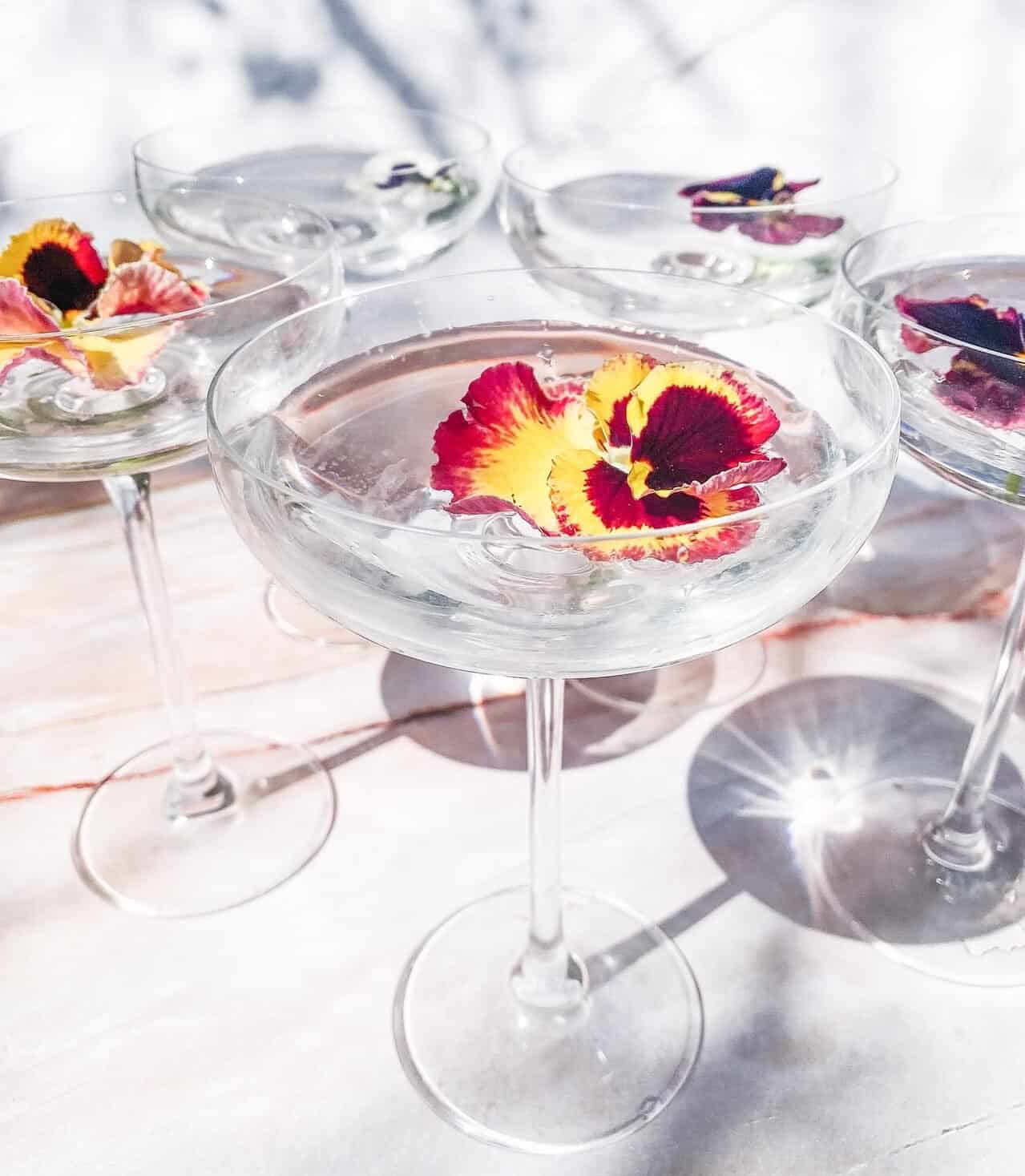
With a tender texture, light perfumed scent, and subtly sweet taste, violas add a beautiful pop of color to a classy cocktail. Their flavor also contains light mint and wintergreen nuances, making a perfect addition to sweet and savory dishes.
Use only culinary-grade violas that have been positively identified as edible.
Try this Violet Champagne Cocktail.
Orchids
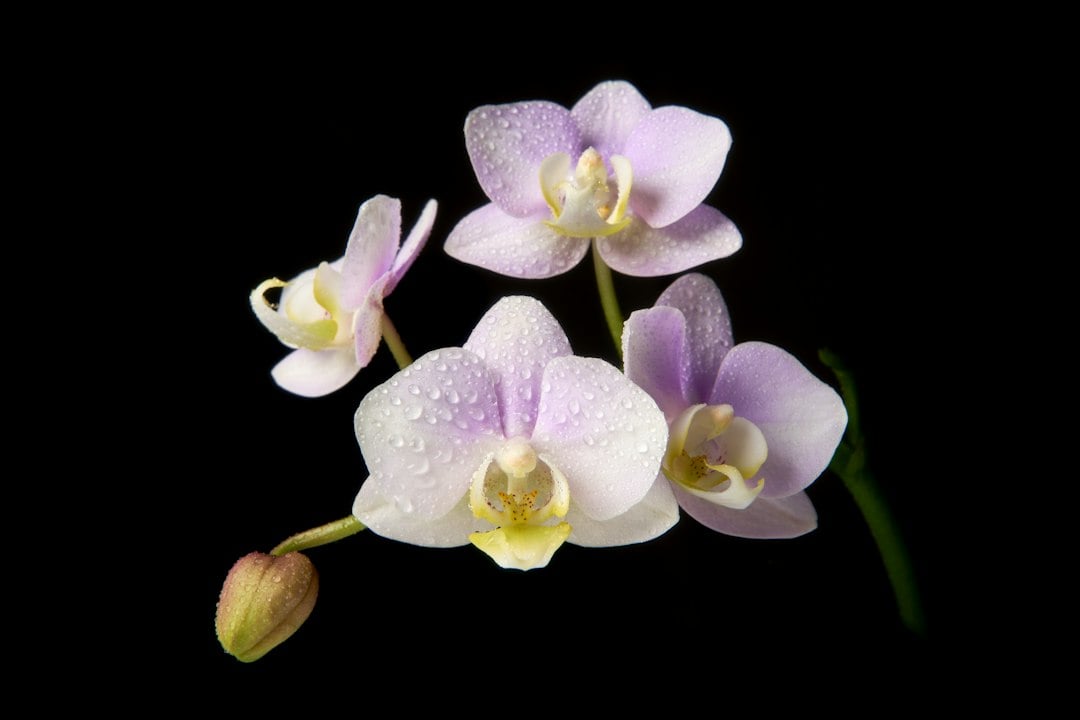
Orchids make a dramatic, restaurant-style cocktail garnish without adding a strong flavor. Their mild taste and sculptural shape work especially well on tropical drinks, martinis, spritzes, and celebratory cocktails.
Use only orchids specifically sold as culinary or food-safe flowers. An orchid from a florist or garden center may have been treated with chemicals intended for ornamental plants rather than food.
For the prettiest presentation, float one small culinary orchid on top of the finished drink or rest it gently at the rim.
Lavender
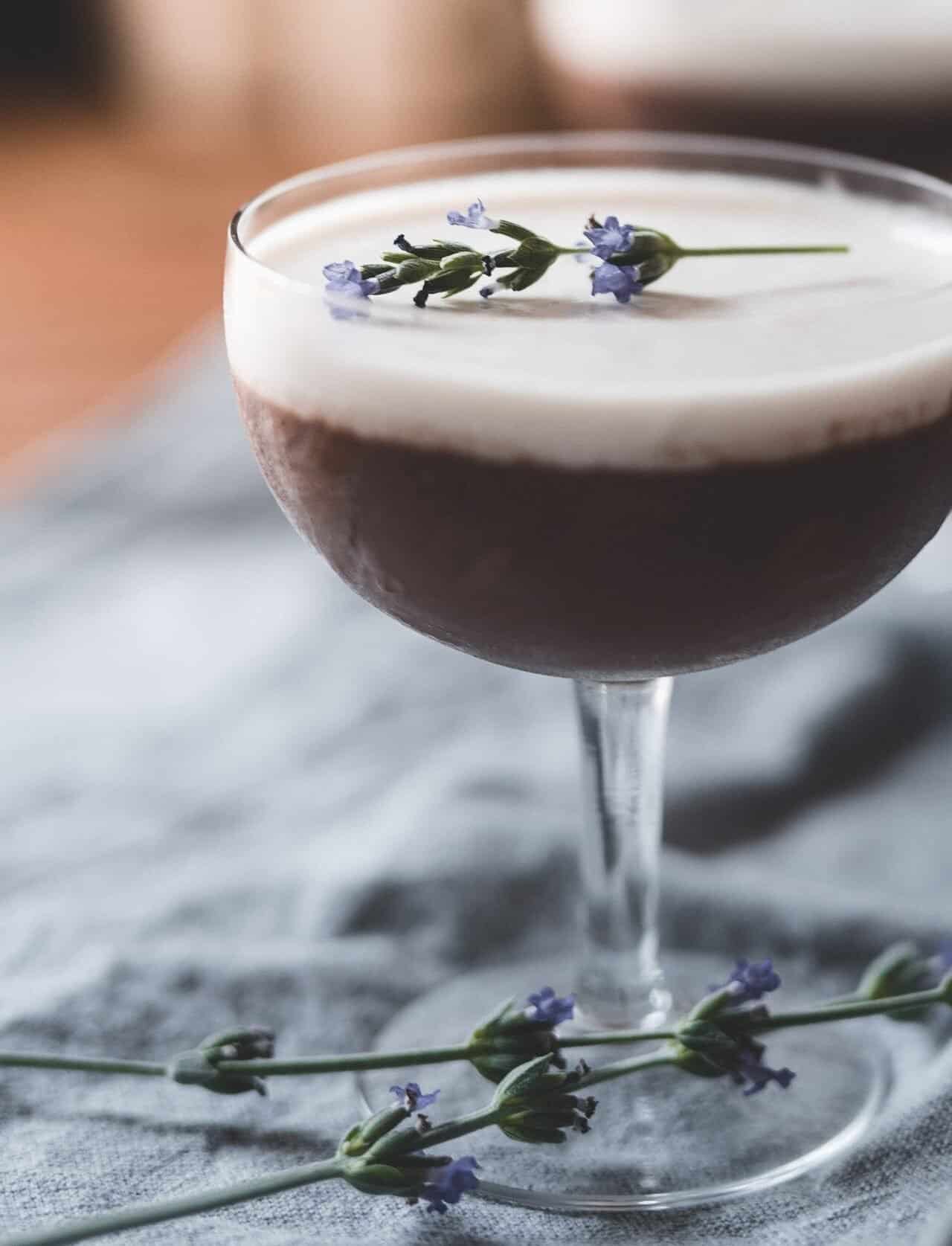
With a strong floral scent and flavors of mint and rosemary, Lavender is the perfect edible flower garnish for a spring-like cocktail. Although the scent and taste is powerful, it is also often used in savory dishes, sweets, and teas.
For cocktails, use culinary-grade lavender rather than ornamental lavender from a florist or garden center. A little goes a long way: the buds and flowers are strongly aromatic, so use them sparingly as a garnish or in a syrup or infusion.
Try my Lavender Martini!
Pansies
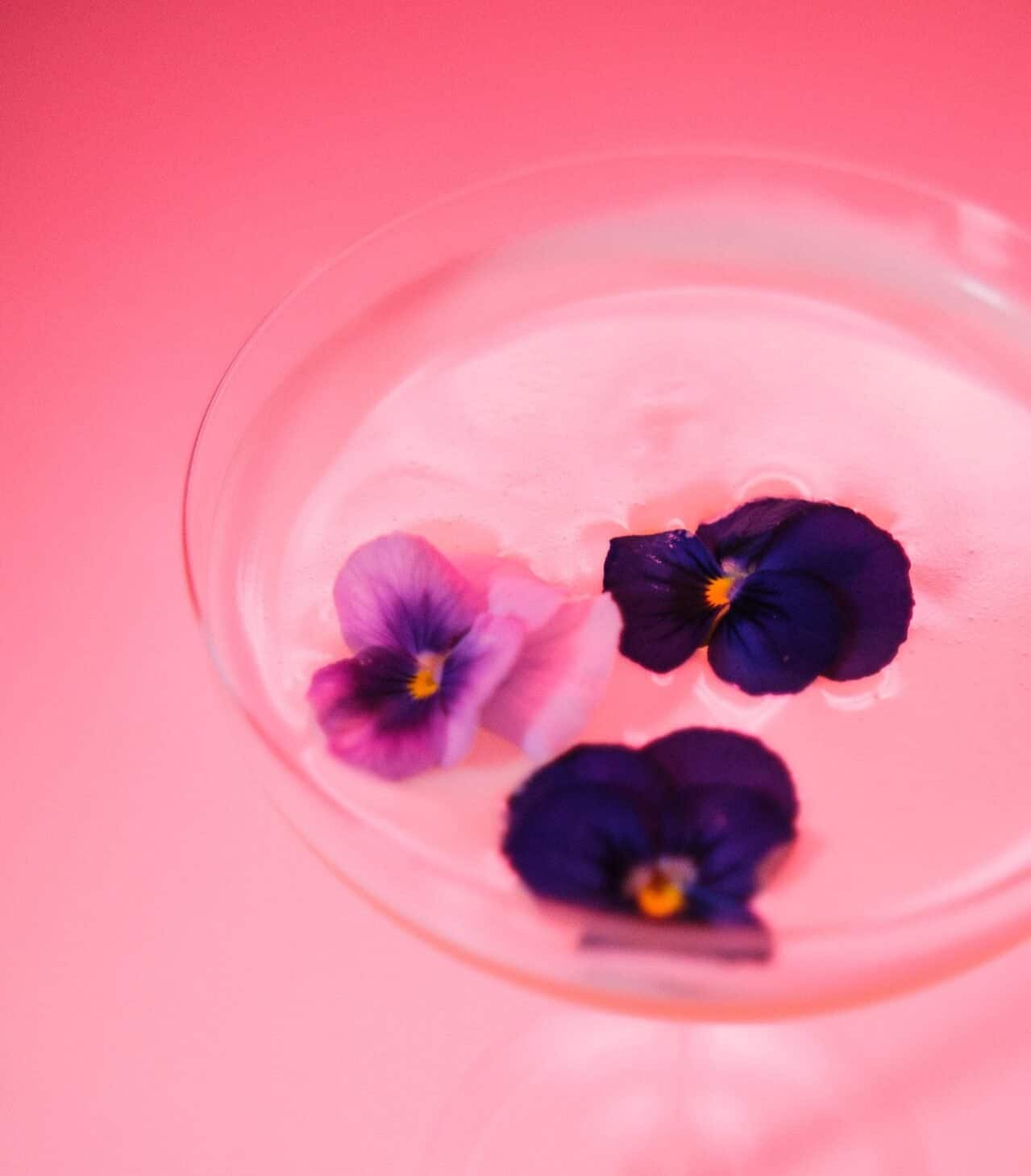
One of the most popular edible flowers for cocktail garnishes, culinary pansies have a mild, grassy flavor and come in gorgeous colors. Use flowers specifically grown for eating, and for the cleanest flavor and look, garnish with the flower rather than the stem.
Pansies are very decorative and come in a variety of colors, making them beautiful edible flowers for a cocktail garnish.
Try this Pansy Gimlet.
Marigolds
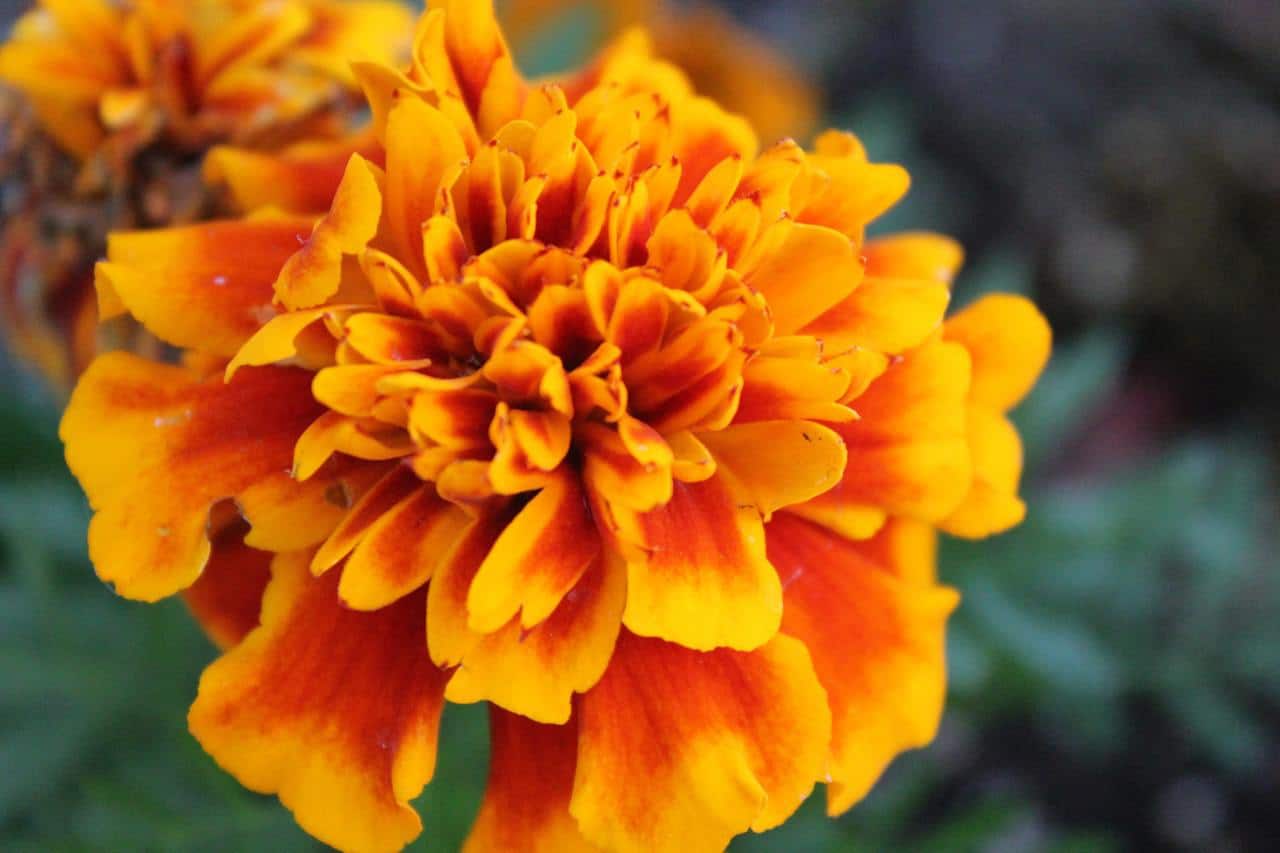
Marigolds are another one of the more popular edible flowers for cocktail garnishes and have been used since ancient times. However, it is important to note that not all varieties of marigold flowers are edible.
The edible marigold varieties include Pot marigolds (Calendula officinalis), French marigolds (Tagetes patula), African marigolds (Tagetes erecta), Mexican mint marigolds (Tagetes Lucida), and lemon marigolds (Tagetes tenuifolia).
The flavor of the marigold depends on which edible variety you select. Pot marigolds have a mild, peppery taste, while Mexican mint marigolds have a tarragon-like flavor. Lemon marigolds are more citrusy. When it comes to using marigold as a garnish, stick to the petals and/or leaves for the best taste.
Try this Marigold Cocktail.
Sunflowers
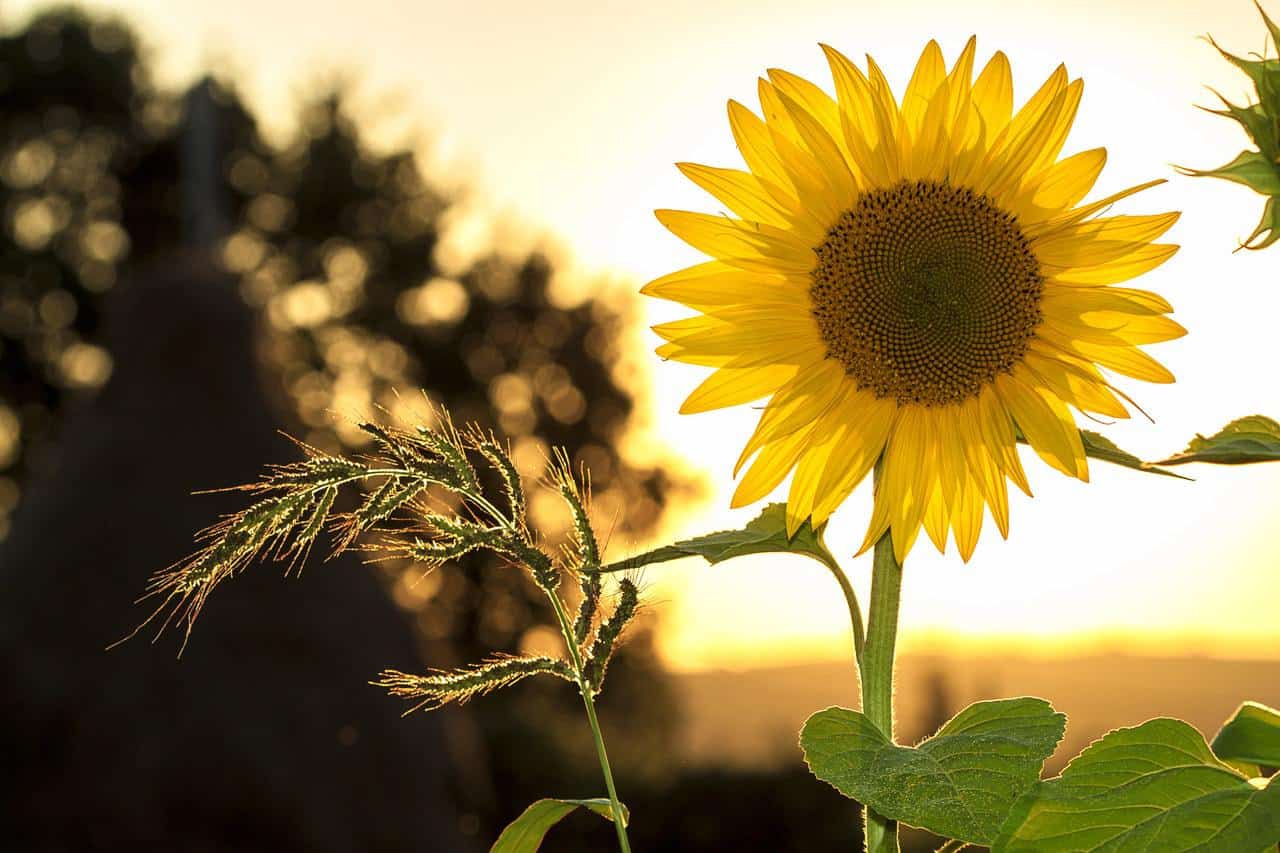
Sunflowers aren’t just a beautiful addition to the garden (and a delicious snack if you like sunflower seeds), they’re also a perfect way to brighten up your favorite summer cocktail!
For cocktail garnishes, stick with culinary-grade sunflower petals. They can have a slightly bitter, vegetal flavor, so they work best in bright citrus drinks where a few petals add color without dominating the glass.
Sunflower petals look especially pretty against a pale margarita, lemonade cocktail, or citrus spritz.
Cherry Blossoms
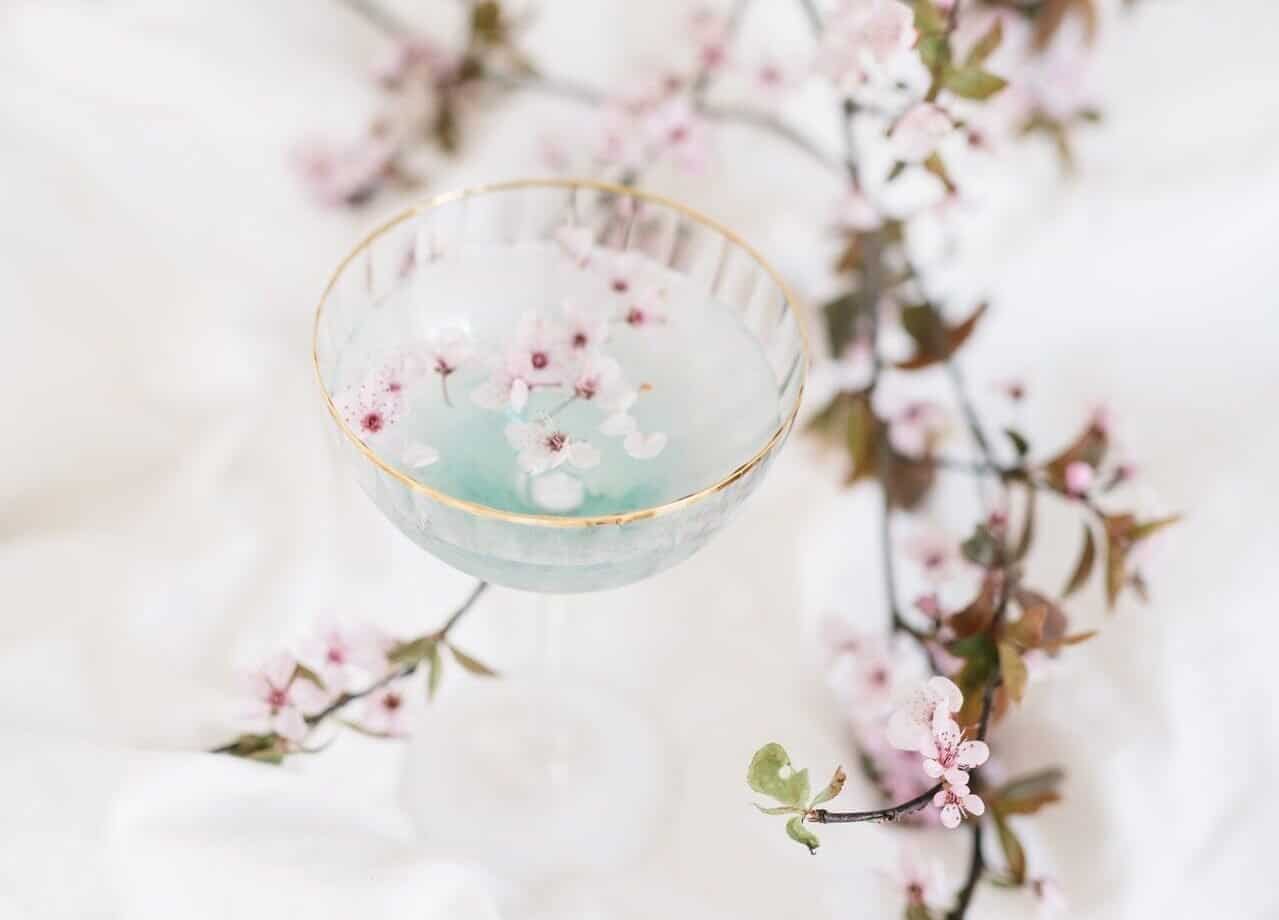
Cherry blossoms are used in Japanese sweets, tea, and seasonal drinks, but identification matters. Use blossoms specifically sold for culinary use from a known edible Prunus source rather than flowers picked from an ornamental tree of uncertain variety or treatment.
Their delicate floral flavor makes them a lovely match for spring spritzes and other light cocktails. Preserved or culinary-grade blossoms are a safer, more practical choice than foraged flowers.
Try this Sakura Sip Spring Cocktail.
Chamomile
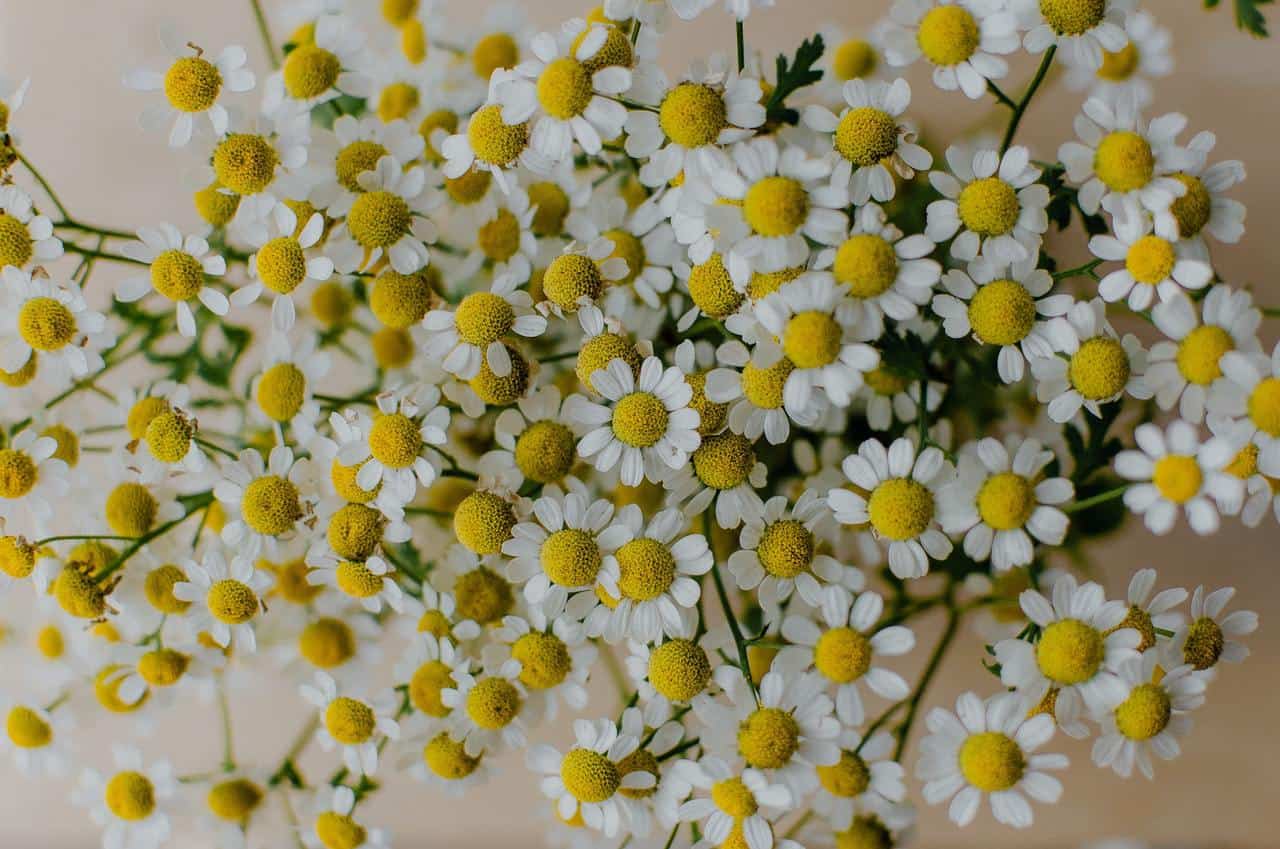
Often used in teas and extracts, chamomile is also an edible flower that can be used as a beautiful cocktail garnish.
Chamomile flowers have a small daisy-like appearance and a mild, apple-like flavor. Use culinary chamomile fresh or dried, and keep the garnish to the flower heads. Because chamomile is in the daisy family, anyone with strong ragweed or related plant allergies should be cautious.
Try this Chamomile Honey and Whiskey Cocktail.
A personal favorite: Buzz Buttons (Jambú)
I have to give buzz buttons a special mention because they're the flower heads of jambú (Acmella oleracea), an herb I've had many times in Pará, Brazil. If you've never tried it, the sensation is unforgettable: a tingling, almost electric feeling that makes your mouth buzz and salivate. It's one of those ingredients that turns a cocktail into an experience.
I rarely see fresh jambú in the U.S., so I was genuinely surprised to find that Bloom Produce sells fresh Buzz Button flowers here. Bloom also carries edible flowers, cocktail garnishes, specialty mushrooms, and plenty of other fun ingredients that are hard to find at a typical grocery store. A little jambú goes a long way, so use it sparingly!
Where to buy edible flowers
Look for edible flowers in the produce section of specialty grocery stores, at farmers markets, from local growers, or from online culinary-flower suppliers. The important part is that the flowers are specifically sold for eating—not simply labeled as an ornamental flower. If a seller cannot tell you the flower variety or whether it was grown for culinary use, skip it.
Sources & food-safety references
- Colorado State University Extension: Edible Flowers
- University of Florida IFAS Extension: Edible Flowers
- University of Alaska Fairbanks Cooperative Extension: Edible Flowers for the Garden & Table
Here are some amazing cocktails to serve with flowers:
22 Upscale Cocktails For Any Classy Event
Popular Fruity Alcoholic Cocktails


Marylou Feehan
Where can you purchase the suggested flowers for drinks-a local florist? Having difficulty locating.
Aleka Shunk
This depends where you live! Some florists/grocery stores have a great selected, others not. If they are in season they will be much be easier to find!