
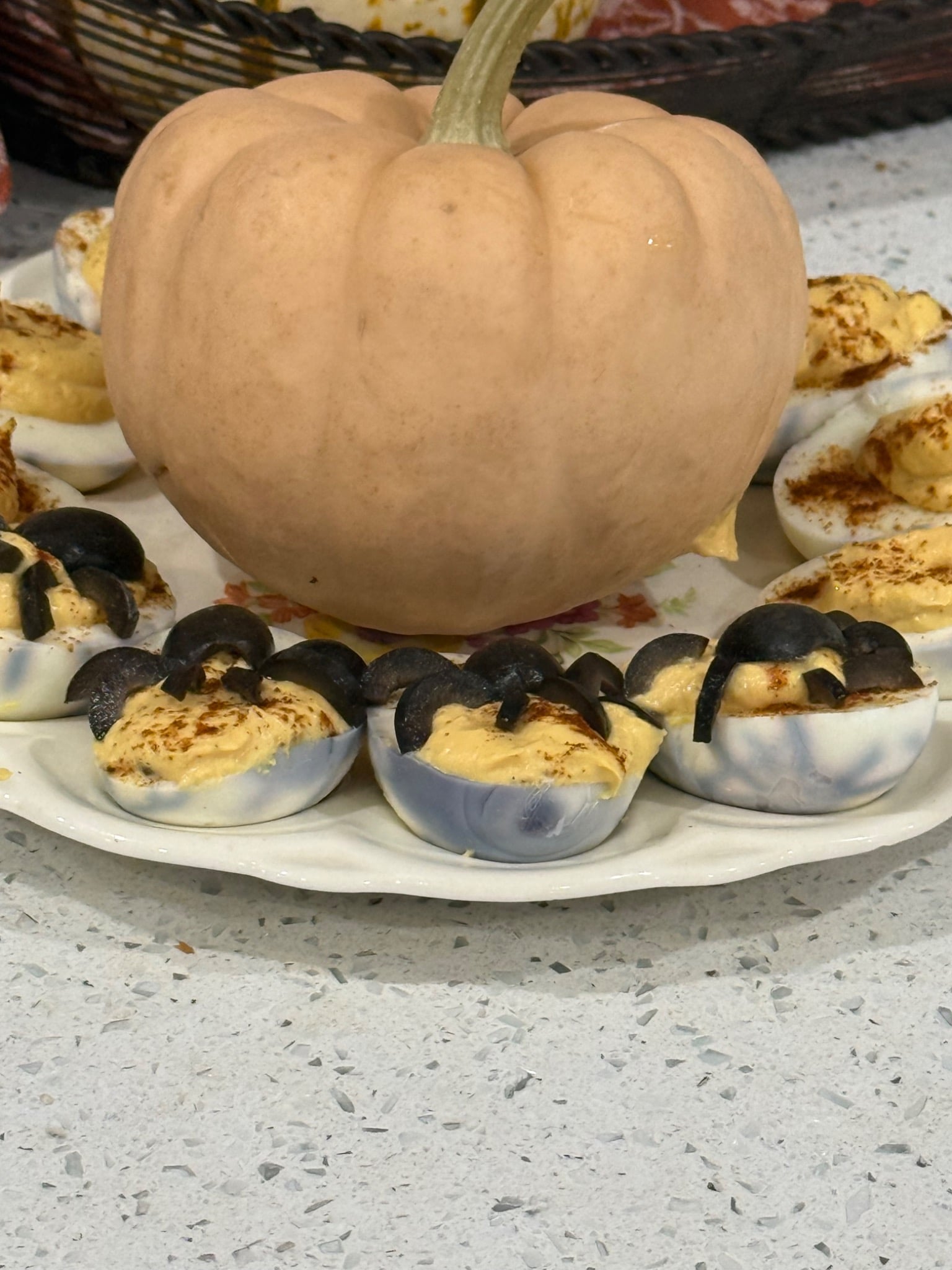
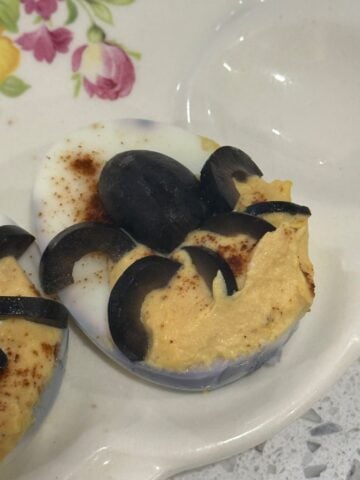
These spooky deviled eggs have spiderweb-patterned whites, a smooth, creamy filling and black olive spiders perched on top. They look right at home on a Halloween party table, but the ingredients are familiar: eggs, mayonnaise, Dijon and olives, with optional pickle juice and jalapeños for extra tang and heat.
The two details that make this version special are the overnight spiderweb soak and pressing the cooked yolks through a fine-mesh sieve. I also like to use a pastry bag and fill the eggs generously—even if that means a few empty white halves are left over.
Plan ahead: start the eggs the night before. Twelve eggs make about 20 generously filled halves. One egg’s pair of whites goes into the filling, leaving up to 22 halves to fill.
Jump to Recipe · Make the Spiderwebs · Smooth Filling · FAQs · Food Safety
Building a Halloween menu? Pair these with Halloween Brain Dip and Halloween Party Punch, or browse our Halloween appetizer ideas.
What You’ll Need
- 12 large eggs: use all the yolks plus both white halves from one egg for the filling. Brown or white shells both work because the color develops on the egg white underneath.
- Black food coloring and cold drinking water: use food-grade gel or liquid coloring, following the product label. You need enough very dark solution to submerge the cracked, shell-on eggs.
- ⅓ cup mayonnaise, 2 teaspoons Dijon and 1 teaspoon apple cider vinegar: a simple, tangy filling that leaves room for the toppings. Add ⅛ teaspoon black pepper and taste before adding optional salt.
- Optional pickle juice: replace the vinegar with 1–2 teaspoons, adding a little at a time so the filling stays thick enough to pipe.
- Optional jalapeños: I love these with 1–2 tablespoons very finely minced fresh or pickled jalapeños. Remove seeds and ribs for milder heat; drain pickled peppers well.
- About 30 large pitted black olives: enough for 20 bodies and eight legs per spider, with a few extras useful for cutting mishaps. Use about 33 olives if filling all 22 available halves.
- Paprika: an optional light dusting before adding the spiders.
Prefer a sweeter pickle filling for another occasion? Try our Southern deviled eggs with relish. This Halloween version keeps the base smooth and the decoration front and center.
1. Boil the Eggs, Then Chill Immediately
Bring a large saucepan of water to a boil, with enough water to cover the eggs by about an inch. Lower refrigerator-cold eggs in gently with a spoon, then keep the water at a gentle boil. I find that 12 minutes at sea level at a gentle boil is perfect for standard large eggs. Start timing once the water returns to a gentle boil after adding the eggs. Very large eggs or higher elevations may need longer.
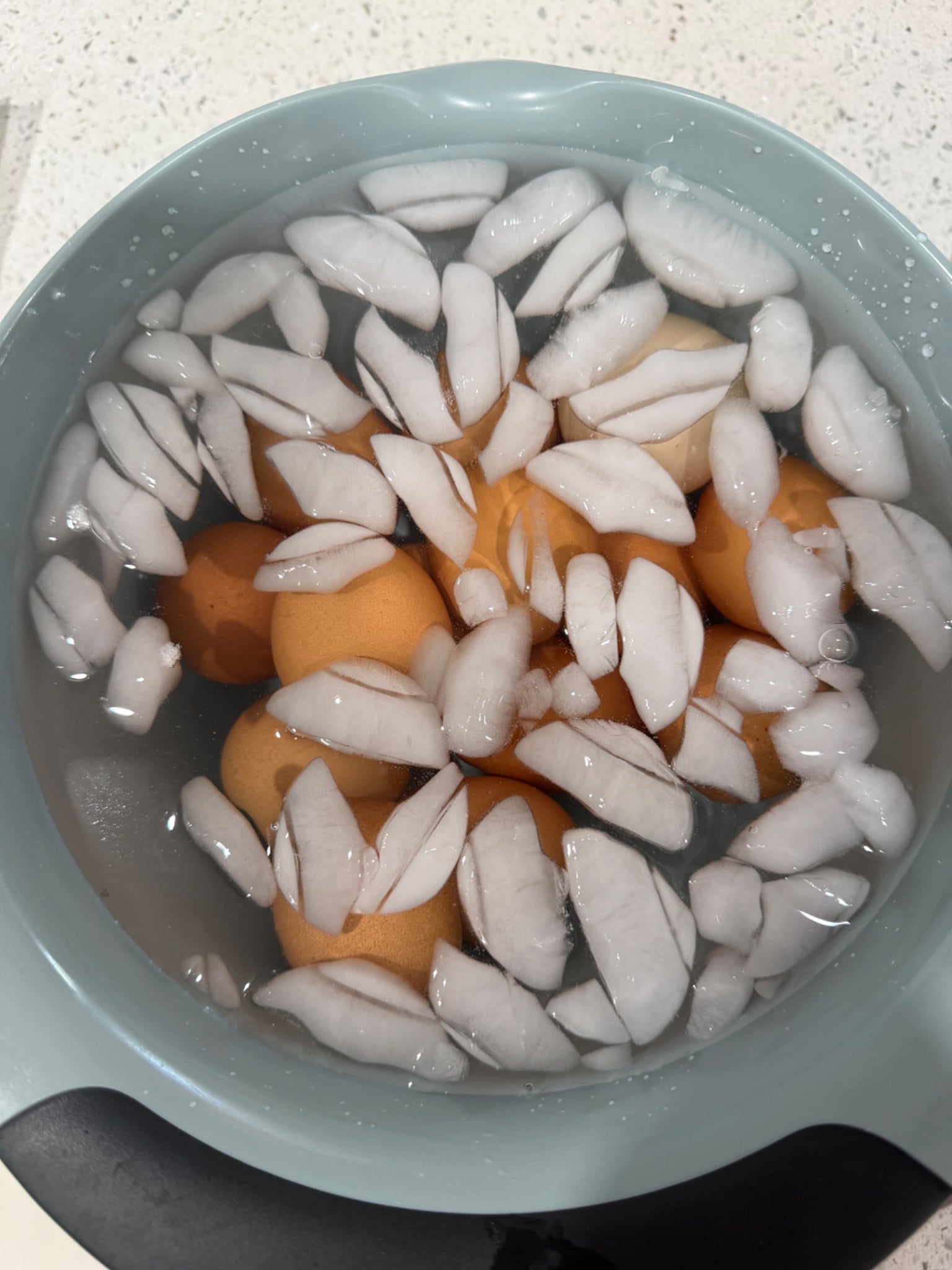
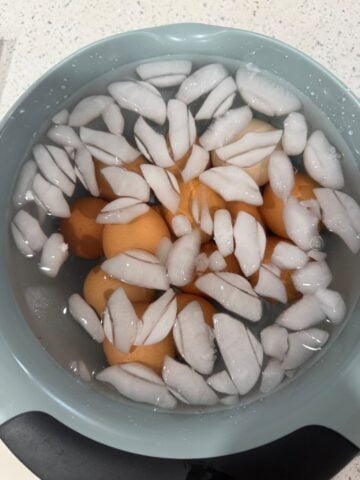
Have a big bowl of ice water ready before the cooking time is up. Transfer the eggs directly from the hot water into the ice bath and cool for about 15 minutes, adding more ice if it melts. Keep the shells on for the spiderweb step.
2. Tap the Shells to Create the Spiderwebs
Once the eggs are cold, use the back of a clean spoon to tap gently along the sides and all around each shell. You want a fine network of cracks, with the shell still attached. Turn the egg as you go instead of making one large smashed spot.
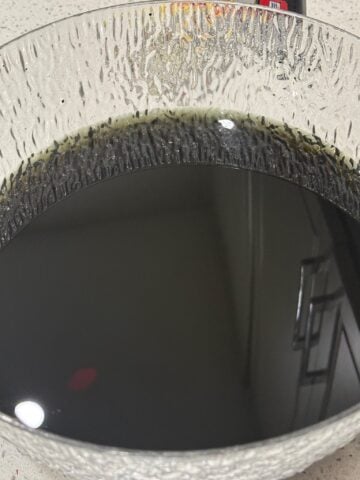
Mix black food coloring into cold drinking water in a clean, food-safe container until the water is very dark. About 4 cups of water is a starting point; use more if needed to cover the eggs. Coloring strengths differ, so follow the label and judge the mixed solution rather than relying on a universal drop count.
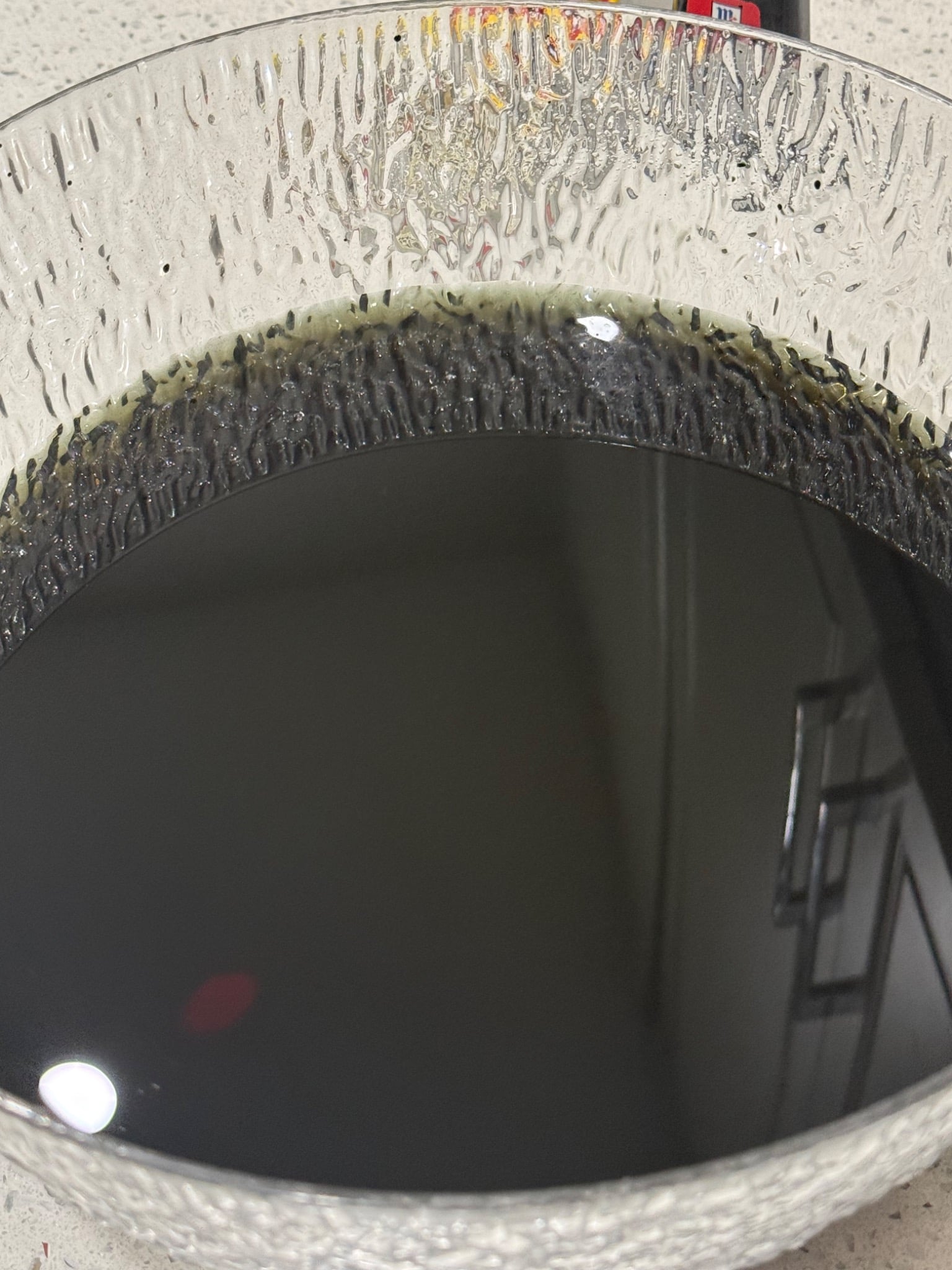
Submerge the cracked, shell-on eggs, cover the container and refrigerate overnight, about 8–12 hours, at 40°F or below. The coloring reaches the egg white through the cracks. The entire soak belongs in the refrigerator.
3. Peel to Reveal the Web Pattern
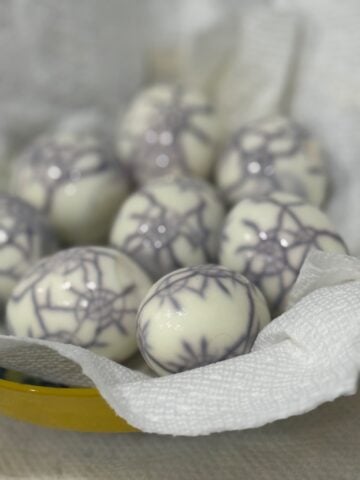
Discard the dye water. Gently peel away the shells, rinse briefly with cold drinking water to remove any shell fragments, and pat dry. The webs may look black, blue-gray or purple depending on the coloring—our photos show the real marbled result.
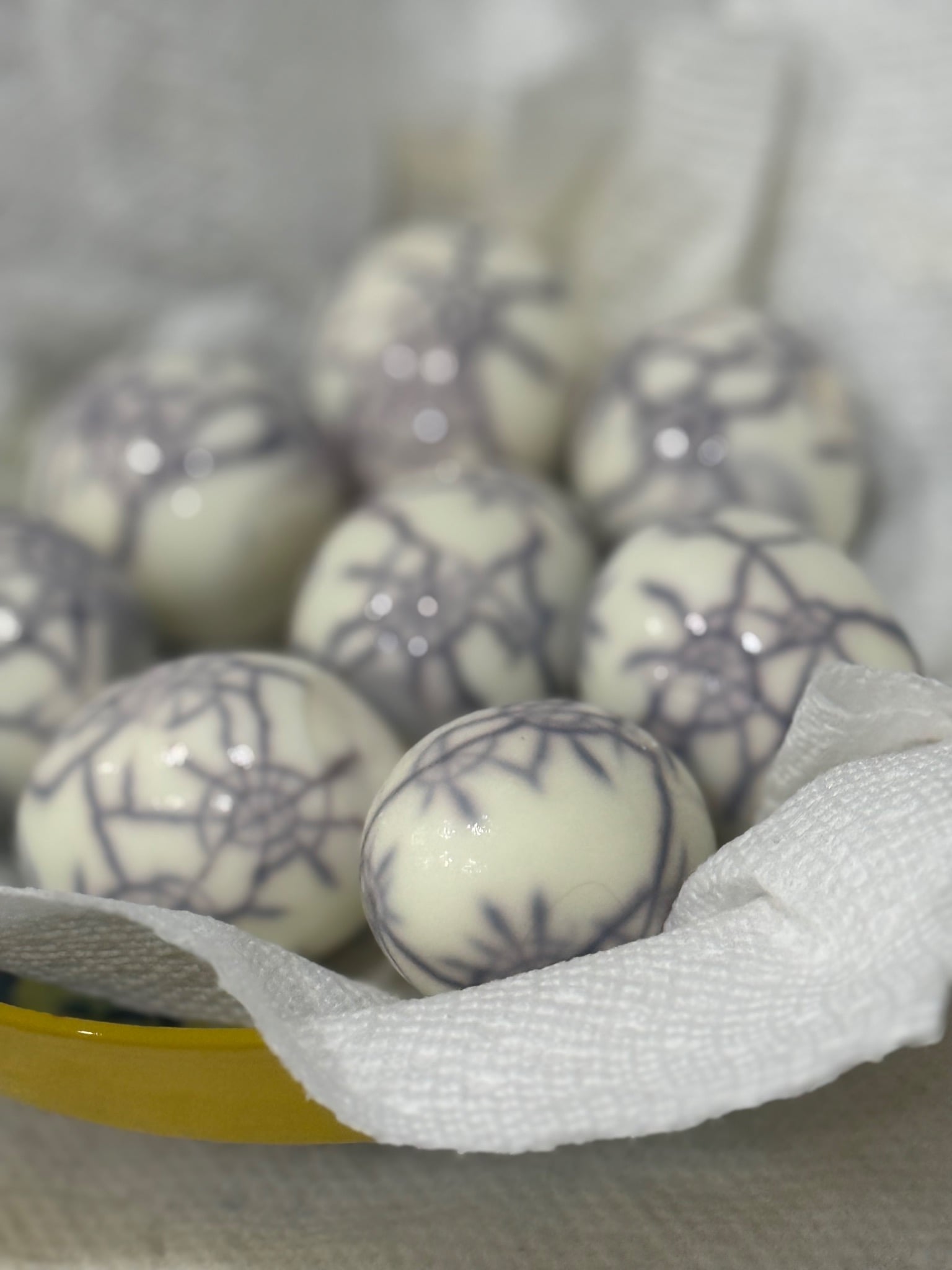
Slice the eggs lengthwise and collect all 12 yolks. Set aside one pair of white halves to add to the filling; you will have 22 white halves left to fill. Keep everything chilled while preparing the filling.
4. Sieve the Yolks for a Smooth Filling
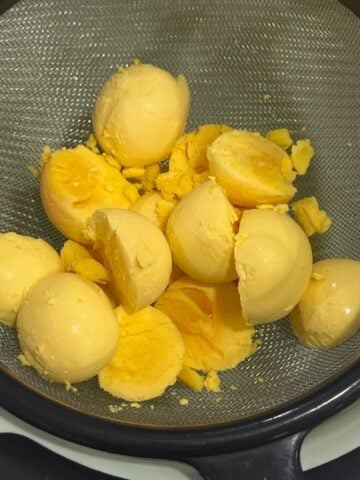
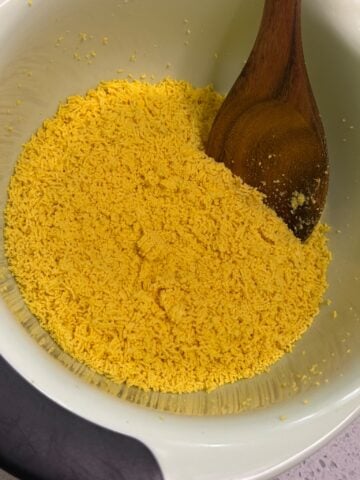
Press the cooked yolks through a fine-mesh sieve before adding the mayonnaise. Set the sieve over a clean bowl and push the yolks through with the back of a spoon. Scrape the underside to collect the fine crumbs. Finely chop the reserved pair of egg-white halves and press those through into the mix too. This uses one whole egg in the filling, along with the other yolks, and breaks up the yolk lumps that can remain after fork-mashing.
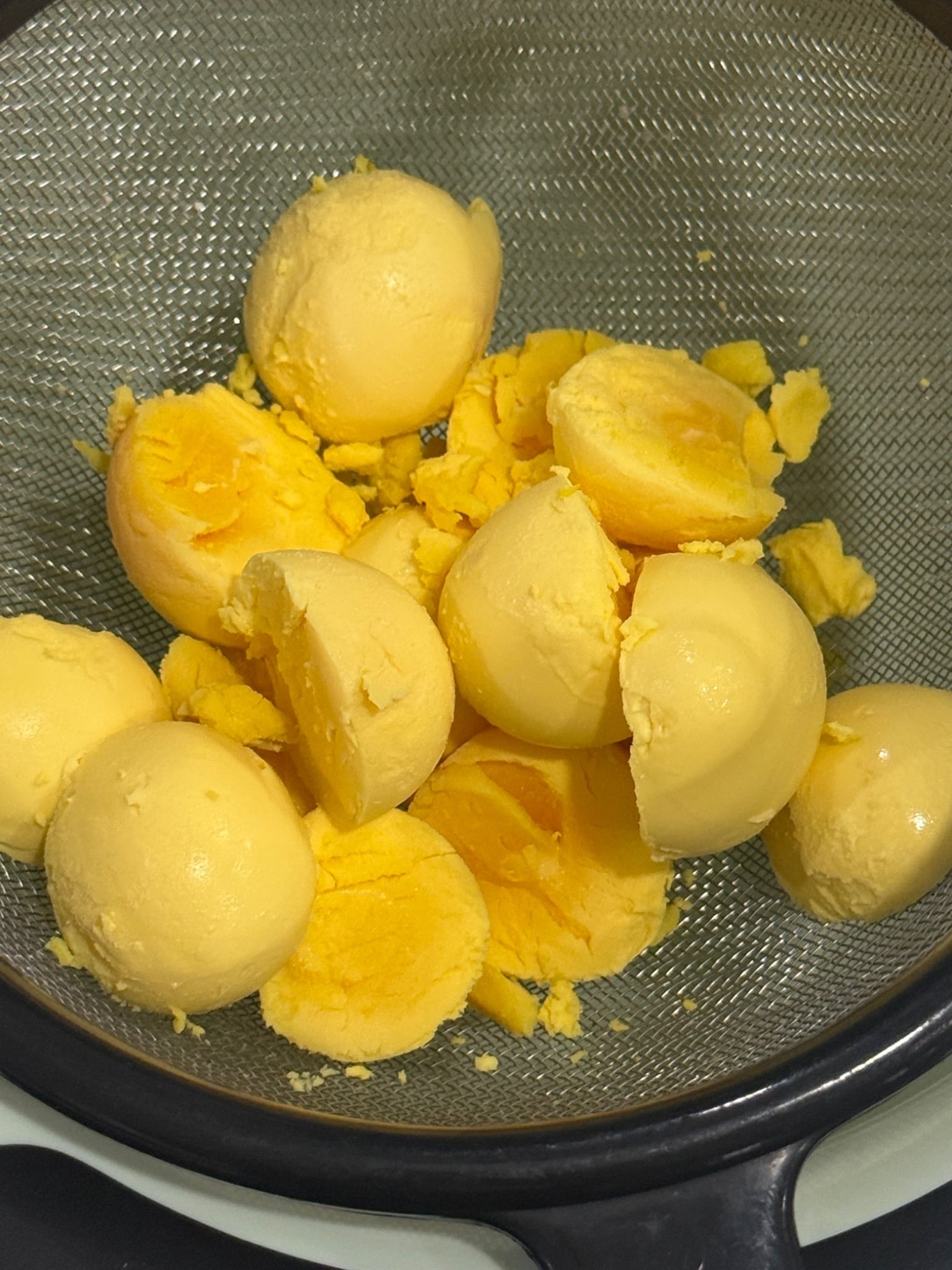
Stir the sieved yolks with the mayonnaise, Dijon, vinegar and pepper until creamy. If using pickle juice, substitute it for the vinegar and add gradually. Taste the filling before adding salt, especially if you are using pickled jalapeños.
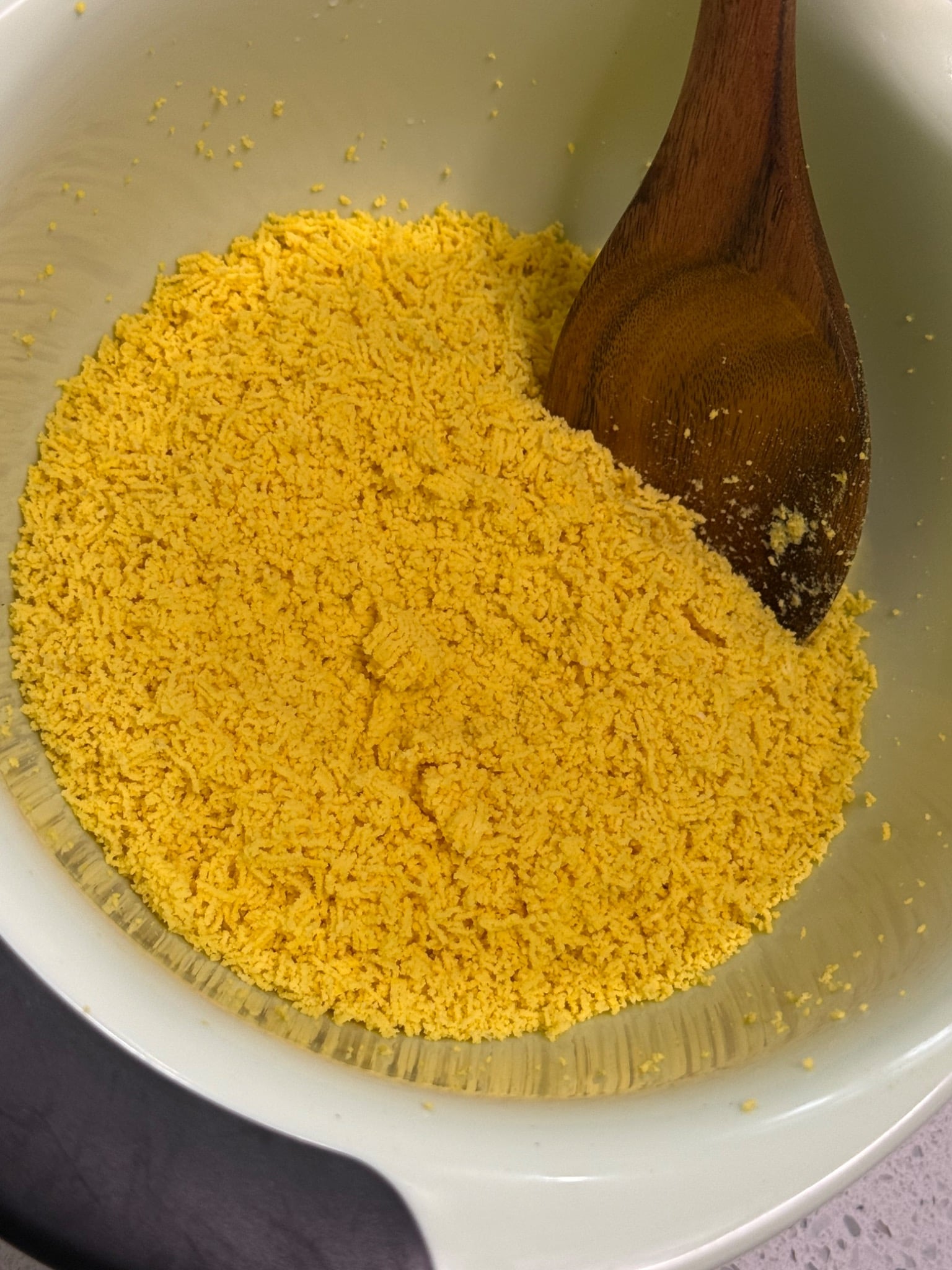
Fold in the very finely minced jalapeños after making the smooth base. Leave them out for a mild batch, or split the filling and make half spicy. Keep any unassembled eggs and filling refrigerated during longer prep breaks.
5. Pipe Generously and Add the Olive Spiders
Transfer the filling to a pastry bag with a large round or open star tip, or snip a generous opening in the bag. Pipe into about 20 white halves. Use a wide opening if you added jalapeños so the little pieces do not clog the tip.
A few empty white halves are normal. I would rather have a generous swirl of filling than stretch it too thin. Refrigerate the leftover whites separately and chop them into a salad or sandwich filling. With one pair of whites already in the filling, you can fill all 22 remaining halves by using a smaller swirl in each.
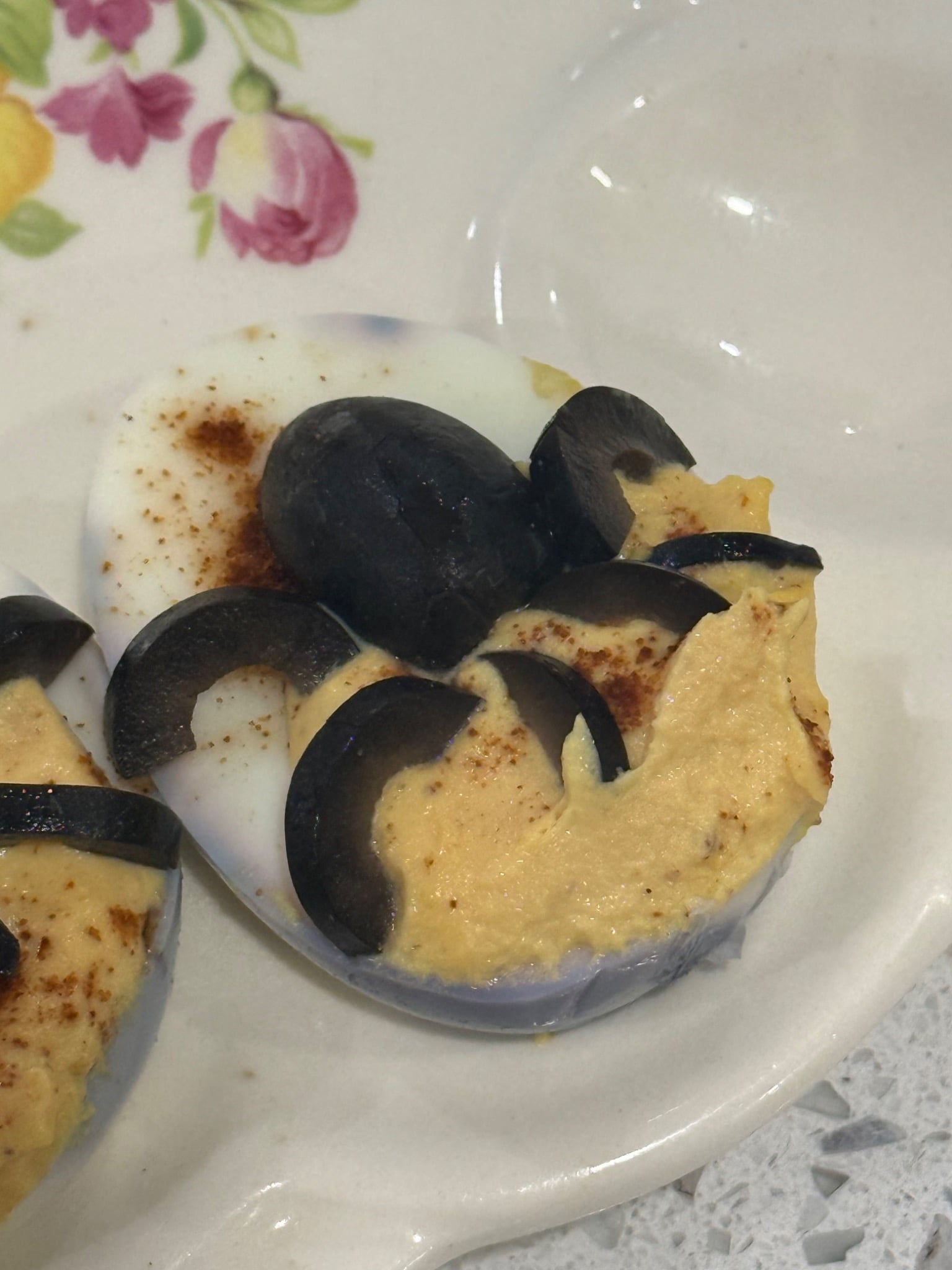
For 20 spiders, halve 10 olives lengthwise for the bodies. Halve the remaining 20 olives, then slice each half into four thin curved strips. That gives you eight legs for each spider. Pat the olives dry so they sit neatly on the filling.
Add a light dusting of paprika if you like. Place an olive half in the center of each egg, then arrange four legs on each side. Keep the finished eggs covered and refrigerated until serving.
Make-Ahead Party Plan
- The night before: boil, ice-bathe and spoon-tap the eggs, then put the covered dye bath in the refrigerator.
- The next day: peel, halve and sieve the yolks. Make the filling and keep it chilled.
- Before serving: pipe the eggs and add the olive spiders. Bring out a small platter at a time and replenish it with a fresh chilled batch.
- For best quality: enjoy assembled eggs within 2 days, kept covered and cold, and always within 1 week of boiling. The overnight soak counts toward that week.
Food Safety: Keep These Eggs Cold
Keep the dye bath, filling and finished eggs refrigerated at 40°F or below. Use clean hands, clean tools, drinking water and food-grade coloring. The dye is decoration, not a preservative.
Keep the serving tray at 40°F or below over ice, checking that the food actually stays cold. Otherwise, discard eggs after more than 2 cumulative hours out of refrigeration—or 1 hour when the temperature is above 90°F. Putting a tray back in the refrigerator does not reset that time.
Use a clean tray for each fresh batch, and keep the decorative pumpkin clean and separate from the food. These are refrigerator eggs, not a room-temperature display. See the FDA’s egg-safety guidance for handling and storage.
Spooky Deviled Eggs FAQs
Do I need to salt the boiling water?
No—plain water works for this method. At high altitude, the useful adjustment is cooking longer because water boils at a lower temperature; a normal pinch of salt is not a reliable fix. See Colorado State University’s high-elevation cooking guide.
Does the filling need extra salt?
Taste it first. Mayonnaise, Dijon, olives and optional pickle juice or pickled jalapeños already contribute salt. Add a small pinch only if the filling needs it. Salt here is about flavor, not altitude.
Can the eggs go into the pot straight from the fridge?
Yes. Lower them carefully into the hot water with a spoon and keep the water at a gentle boil rather than letting the eggs bounce around. I find that 12 minutes at sea level at a gentle boil is perfect for standard large eggs, timed from when the water returns to a gentle boil. Then move them directly into ice water. Very large eggs or higher elevations may need longer.
Do I peel the eggs before the overnight soak?
No. Chill first, tap the shell all over with a spoon, then soak with the shell still attached. The cracks guide the coloring into the web pattern. Fully peeled eggs would color more broadly instead of creating the same crackled effect.
Why are my webs pale or blue instead of black?
Black food colorings are blends, and their results vary with brand, concentration, crack pattern and soaking time. Use a very dark solution and the full overnight refrigerator soak. Blue-gray or purple webs are a normal possible result, as you can see in our photos.
Do I really need a sieve and a pastry bag?
They are the preferred tools for this version. Sieving removes yolk lumps before mixing, and a pastry bag gives a cleaner, more generous finish. A fork and a snipped zip-top bag can work in a pinch, but the filling may be less smooth. Use a wide opening when adding jalapeños.
Can I leave out the pickle juice or add jalapeños?
Yes to both. Pickle juice is optional; the base uses a little vinegar instead. Jalapeños are optional too. Mince them very finely and fold them in after mixing the smooth base. Drain pickled peppers well to avoid a loose filling.
Why do I have empty egg whites left over?
Generous piping uses the filling faster. All 12 yolks and one pair of white halves go into the filling, leaving 22 white halves to fill. Generous piping makes about 20 finished halves, so a couple of whites may still remain. Refrigerate those separately, or pipe smaller portions to fill all 22.
Can I freeze them?
Freezing is not recommended for this recipe because the cooked whites become rubbery and the filling can lose its texture. Use the overnight refrigerator plan instead.
Complete Your Halloween Menu
Serve the eggs as a cold bite alongside Creepy Intestines Appetizer, Halloween Brain Dip and Halloween Party Punch. Find more options in our Halloween party appetizer collection.
Spooky Deviled Eggs Recipe
Spooky Deviled Eggs with Olive Spiders
Ingredients
Equipment
Method
- Bring a large saucepan of water to a boil, deep enough to cover the eggs by about 1 inch. Lower the refrigerator-cold eggs in gently with a spoon. Keep the water at a gentle boil. I find that 12 minutes at sea level at a gentle boil is perfect for standard large eggs; start timing once the water returns to a gentle boil after adding the eggs. Very large eggs or high elevation may need longer. Prepare the ice bath while they cook, then transfer the eggs directly into it when the timer is up.
- Transfer the eggs straight into a large bowl of ice water. Cool for about 15 minutes, replenishing ice as needed, until cold throughout. Do not peel yet.

- Use the back of a clean spoon to tap gently all around each cooled egg, including the sides. Make a network of small cracks while leaving the shell on. Avoid knocking off large pieces or crushing the white.
- In a clean food-safe container, mix cold drinking water with black food coloring until very dark, following the coloring label. Use enough solution to cover the eggs completely; about 4 cups is a starting point. Add the cracked, shell-on eggs, cover, and refrigerate at 40°F or below for 8–12 hours. Never leave the dye bath on the counter overnight.
- Discard the dye solution. Peel the eggs gently, rinse briefly with cold drinking water to remove any shell fragments, and pat dry. Slice lengthwise. Collect all 12 yolks. Reserve both white halves from 1 egg for the filling, leaving 22 white halves to fill. Keep the whites chilled while you prepare the filling.
- Press all the cooked yolks through a fine-mesh sieve into a clean bowl with the back of a spoon. Finely chop the reserved pair of white halves and press them through the sieve into the same bowl too. Scrape the underside to collect the mixture. The yolks should be fine and free of lumps before adding the mayonnaise.
- Stir the sieved yolks with the mayonnaise, Dijon, vinegar and pepper until smooth. If desired, replace the vinegar with 1–2 teaspoons pickle juice, adding a little at a time. Fold in finely minced, well-drained jalapeños, if using. Taste before adding optional salt: mayonnaise, mustard, olives and pickled additions already contribute salt.
- Transfer the filling to a pastry bag fitted with a large round or open star tip, or snip a generous opening in the bag. Pipe generously into about 20 of the remaining 22 white halves. A couple of empty white halves are normal; refrigerate them separately for another use. For 22 pieces, distribute the filling more lightly. Mince jalapeños very finely and use a wide opening so they do not clog the tip.
- Pat the olives dry. Halve 10 olives lengthwise for 20 spider bodies. Halve the remaining 20 olives lengthwise, then cut each half into 4 thin curved strips for 160 legs. Place one body and 8 legs on each filled egg, 4 on each side. Dust with paprika if desired. Chill until serving.
- Bring out a small tray at a time and keep the rest refrigerated. Keep eggs at 40°F or below on a properly iced tray; otherwise discard after 2 hours out of refrigeration, or 1 hour above 90°F.


Tried the recipe? I'd love to hear your thoughts below!