
This post may contain affiliate links. As an Amazon Associate I earn from qualifying purchases.
You do not need a different glass for every cocktail you make. But the shape of a glass is not just decoration either. A stem can help keep a chilled drink cold, a tall narrow glass gives ice and bubbly mixers room to work, and a short rocks glass is built for spirit-forward drinks served over ice.

If you are building a home bar, start with the glasses that match what you actually drink and serve most often. For me, that means a few versatile shapes first and the fun specialty pieces later. Below are the 16 types of cocktail glasses worth knowing, what each is best for, and which ones you can happily skip until you have the cabinet space.
The 5 Most Useful Cocktail Glasses for a Home Bar
You certainly do not need all five on day one. If cabinet space is tight, choose the styles that fit the cocktails you make most. A couple of versatile glasses can take you surprisingly far.
| Glass | Best for | Examples |
|---|---|---|
| Rocks / Old Fashioned | Spirit-forward drinks and cocktails over ice | Old Fashioned, Negroni, Whiskey Sour |
| Highball | Tall drinks with ice and mixers | Mojito, Gin & Tonic, Vodka Soda |
| Coupe | Chilled cocktails served without ice | Daiquiri, Sidecar, Paper Plane |
| Nick & Nora or Martini | Smaller chilled cocktails served up | Martini, Manhattan, Cosmopolitan |
| Wine glass / goblet | Spritzes, sangria and larger mixed drinks | Limoncello Spritz, Aperol Spritz, Sangria |
Why Does Cocktail Glass Shape Matter?
Temperature: Stemmed glasses let you hold a chilled drink without wrapping your hand around the bowl. Ice and dilution: Rocks and highball glasses give different amounts and shapes of ice room to do their job. Carbonation: Tall, narrower glasses help keep bubbly drinks lively. Aroma: The width of the bowl and rim changes how much of a drink's aroma reaches you as you sip.
None of this means a cocktail is ruined because you used the "wrong" glass. If you serve a margarita in a rocks glass, nobody is calling the cocktail police. The right glass simply makes the drink easier to serve, nicer to drink and, yes, prettier on the table.
If you want to add glassware gradually, I would start with a good set of rocks glasses, highball glasses and coupes. Those three cover a lot of ground without taking over an entire cabinet.
Stemmed Cocktail Glasses
Coupe Glass
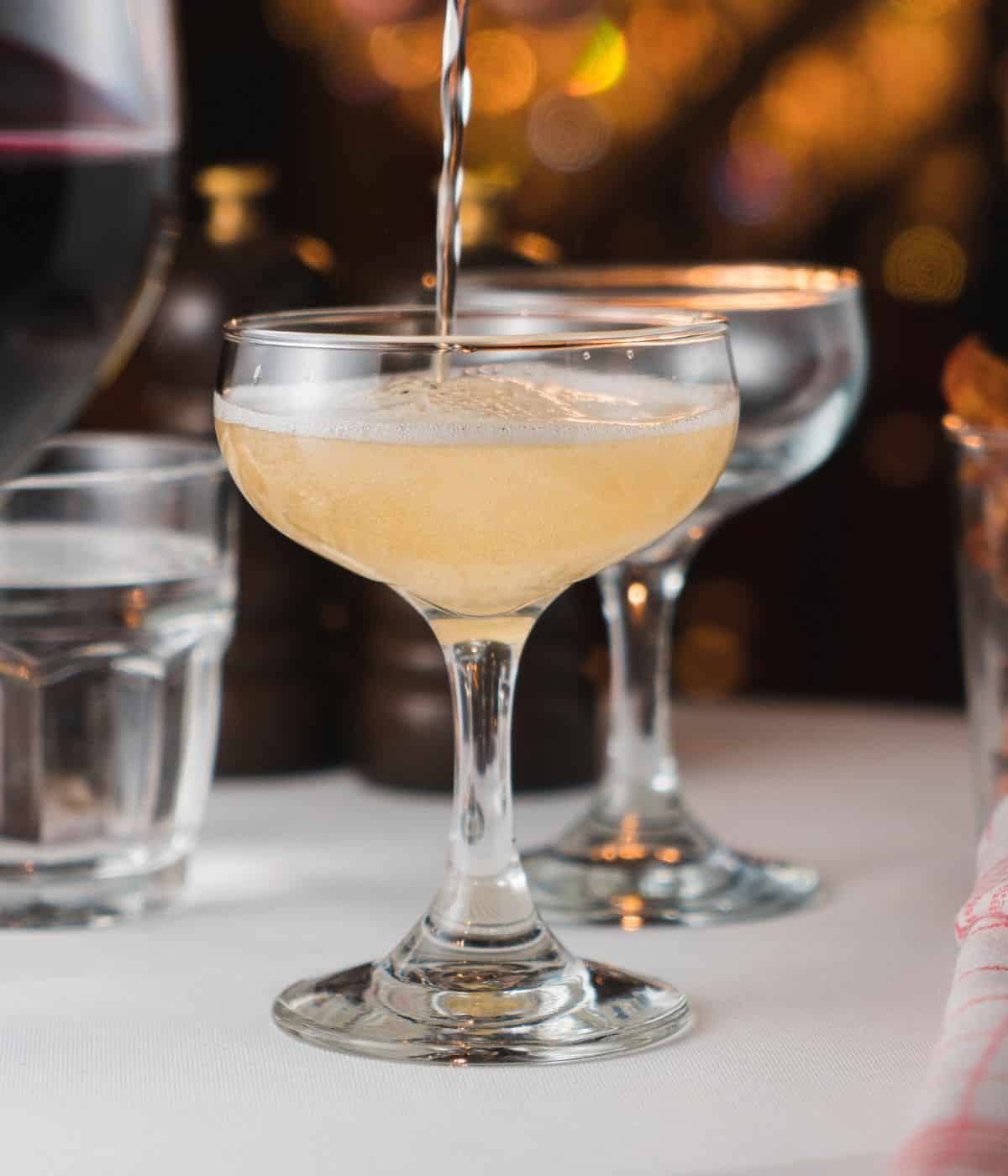
A coupe has a rounded, shallow bowl and a stem, usually holding around 5 to 7 ounces. It is one of my favorite all-purpose cocktail glasses because it feels special without being fussy, and the curved sides are a lot less spill-prone than a classic martini glass.
Use a coupe for drinks that are shaken or stirred with ice and then strained into the glass, such as a Daiquiri, Sidecar, Bee's Knees or Paper Plane. It is also a great choice for a Gin Aperol Sour.
Nick & Nora Glass
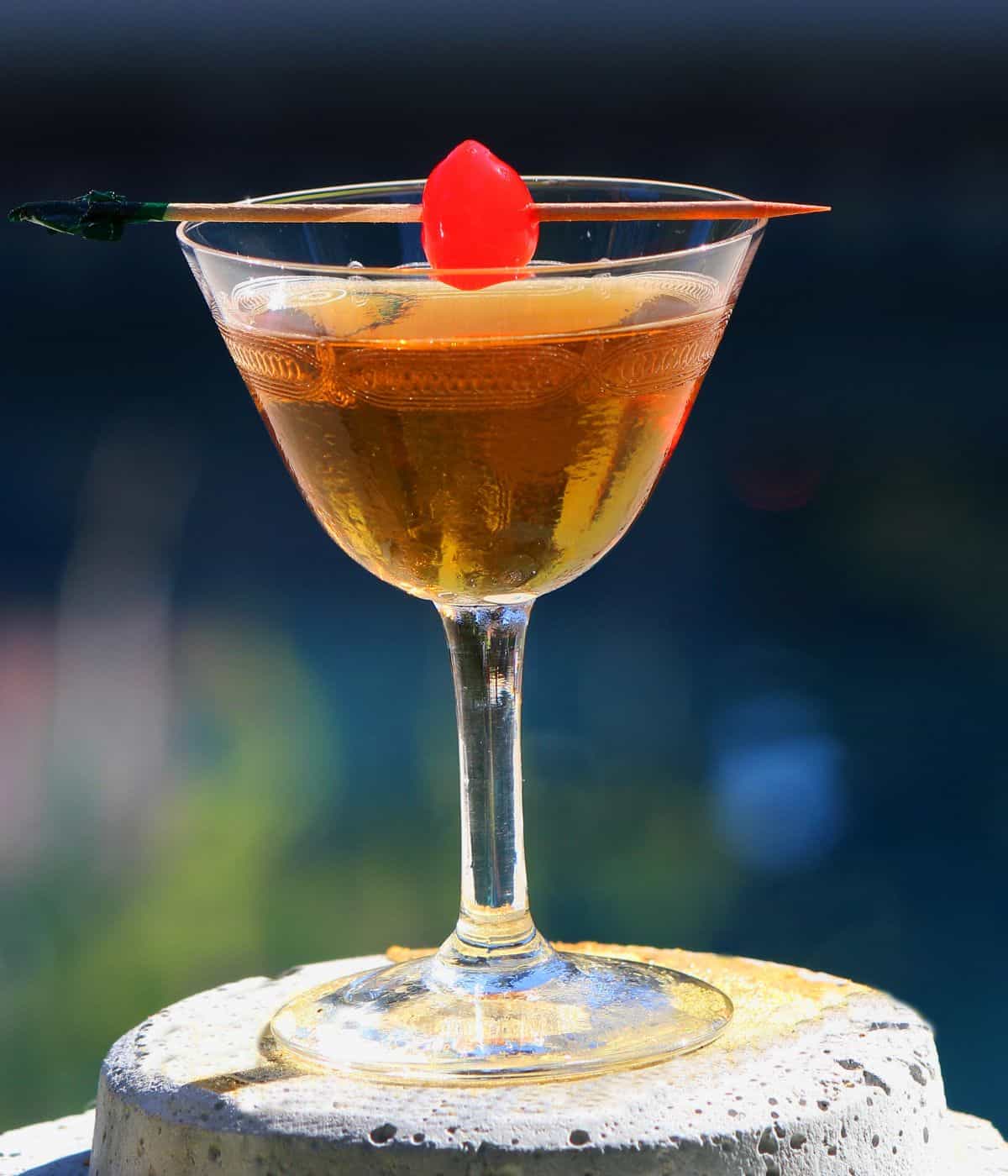
The Nick & Nora is smaller and narrower than many modern martini glasses, with a gently curved bowl and a long stem. It is especially good for smaller cocktails served up—meaning the drink is chilled with ice while it is mixed and then strained into a glass without ice.
That is different from serving a spirit neat, which means it is poured without ice and without being chilled. Nick & Nora glasses are especially nice when you want the elegance of stemware without the wide, easy-to-bump rim of a martini glass.
Martini Glass
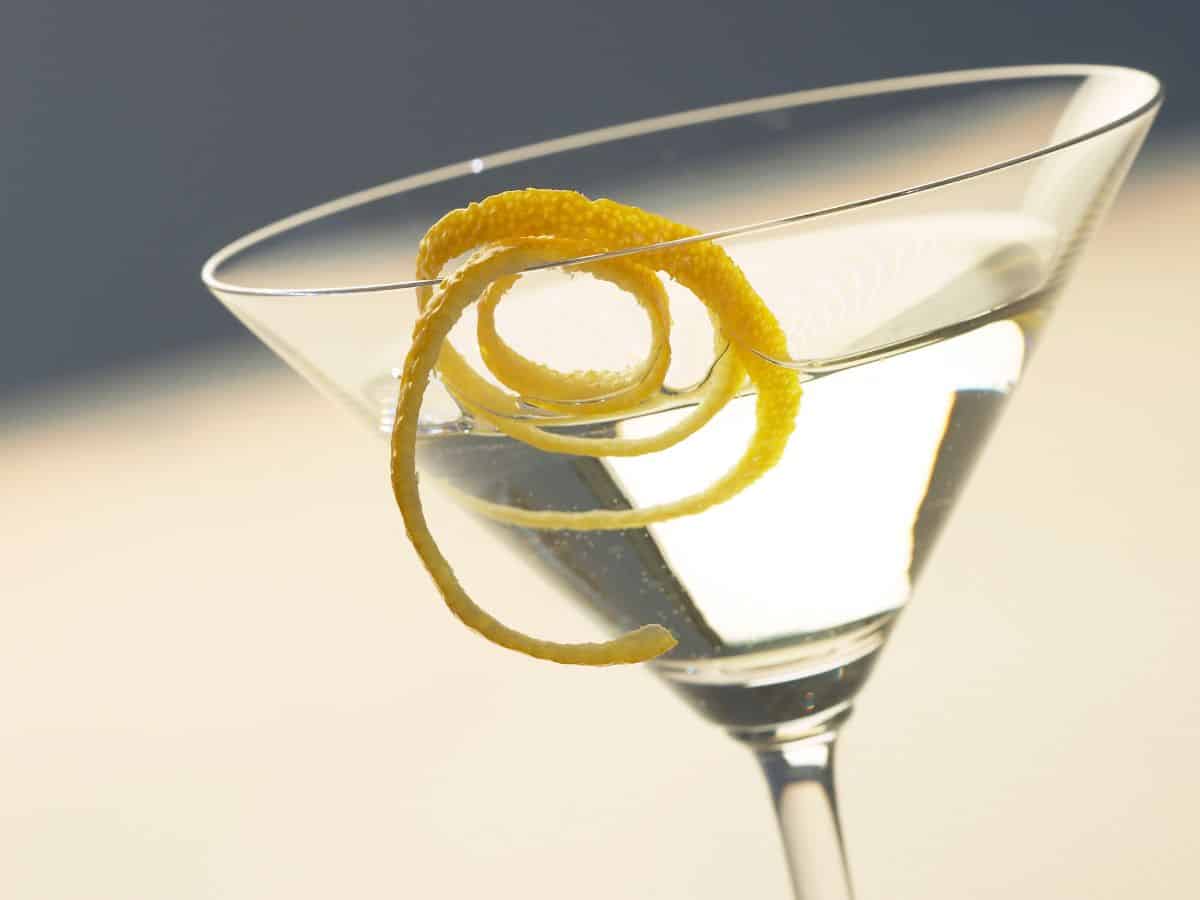
Seriously, after more than 60 years of James Bond movies, who would not recognize a martini glass? The dramatic V-shaped bowl and long stem are instantly recognizable, and they make a martini or Cosmopolitan look like an occasion.
The tradeoff is practical: that wide rim is easier to spill from than a coupe or Nick & Nora. If you only want one style of stemmed cocktail glass, choose the shape you enjoy using most rather than feeling like you need all three.
Champagne Flute
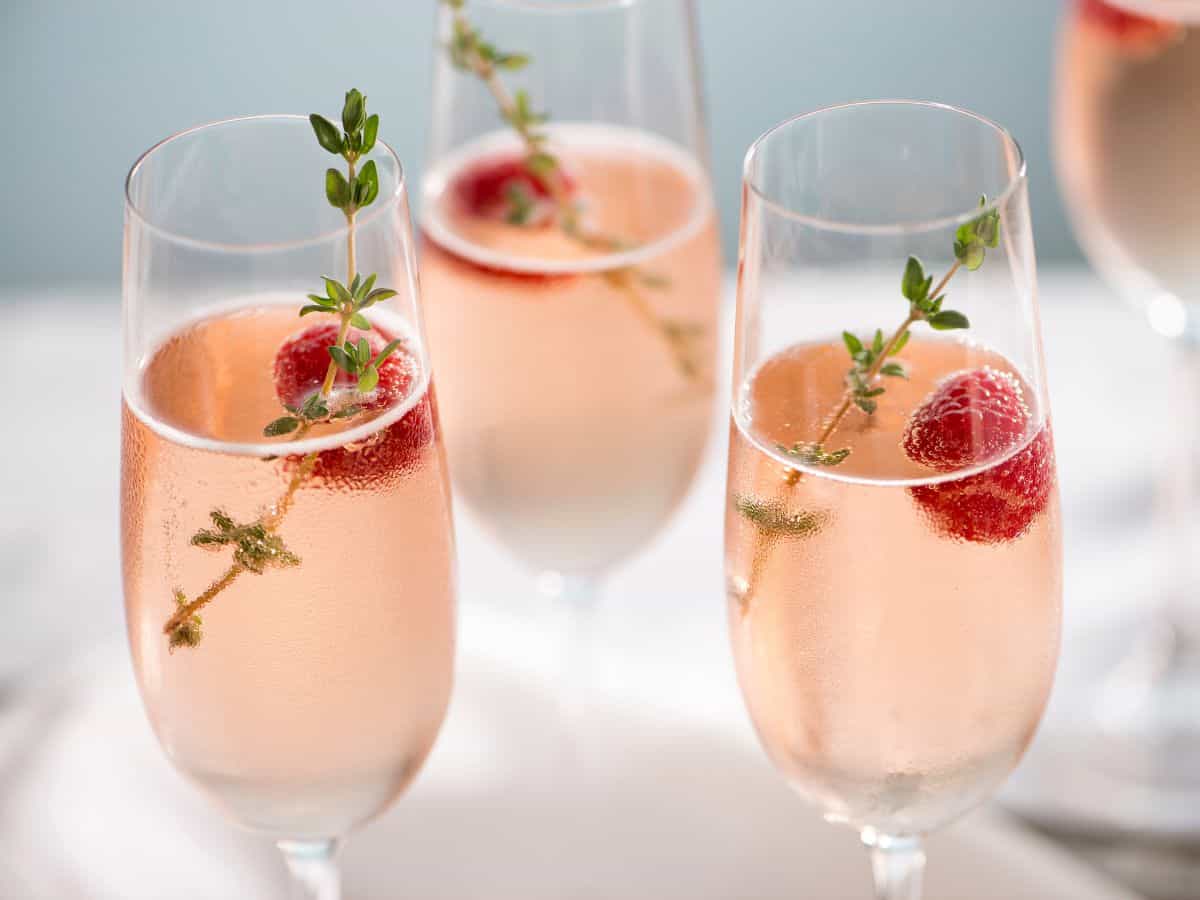
A champagne flute is tall and narrow, which helps sparkling wine stay lively and gives those bubbles plenty of room to travel upward. It is a natural choice for Champagne, Prosecco and sparkling cocktails.
I would not rush out and buy flutes just because a glassware list says you should. If you are actually setting up brunch or serving a crowd, my Mimosa Bar guide is a much better place to decide what kind of glasses make sense for your party.
Short Cocktail Glasses
Rocks or Old Fashioned Glass
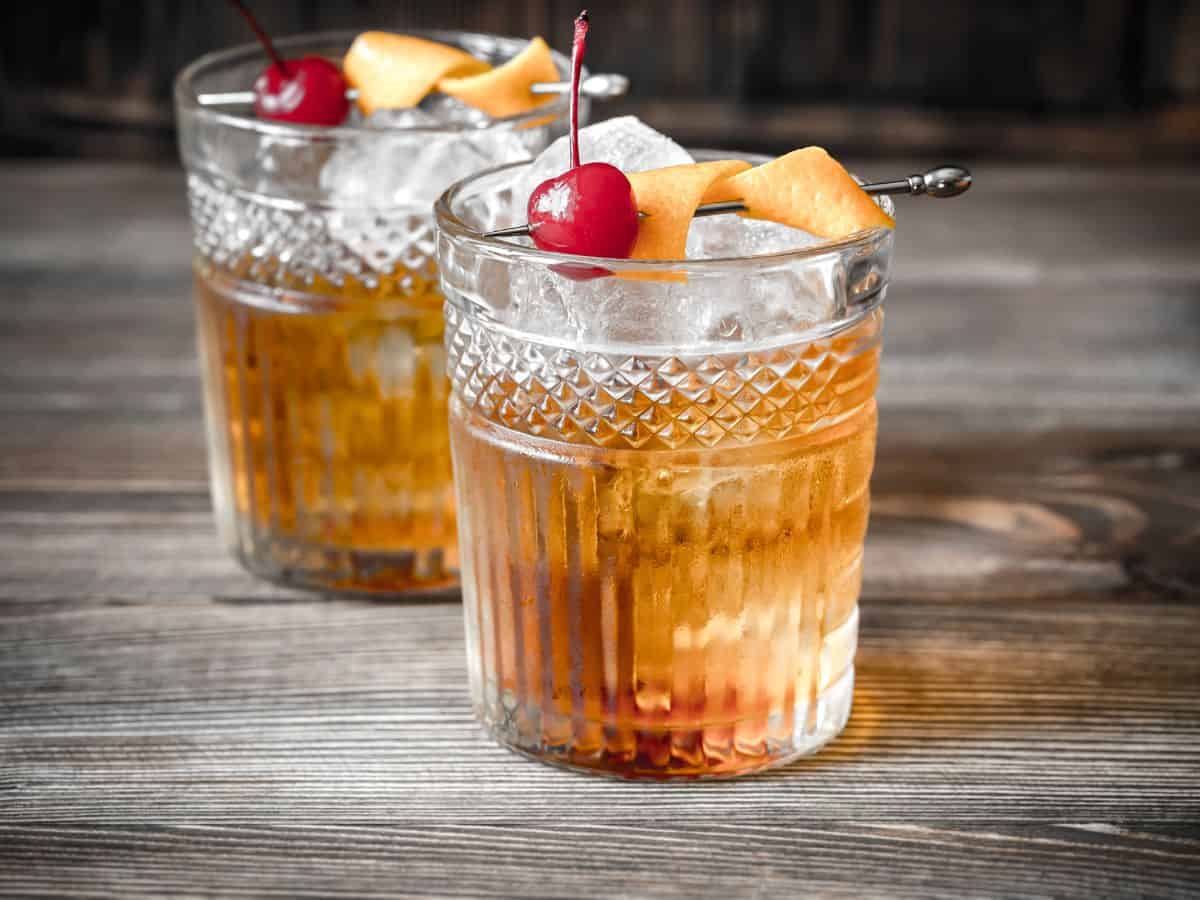
Rocks glass, Old Fashioned glass and lowball are often used for the same basic shape: a short tumbler with a wide opening and sturdy base. It is one of the hardest-working glasses in a home bar.
Use it for an Old Fashioned, Negroni, whiskey over ice, a spirit served neat, or any cocktail built around one large cube. A double rocks glass is simply a larger version and gives you more room for ice and a slightly longer drink.
Tall and Everyday Cocktail Glasses
Highball Glass
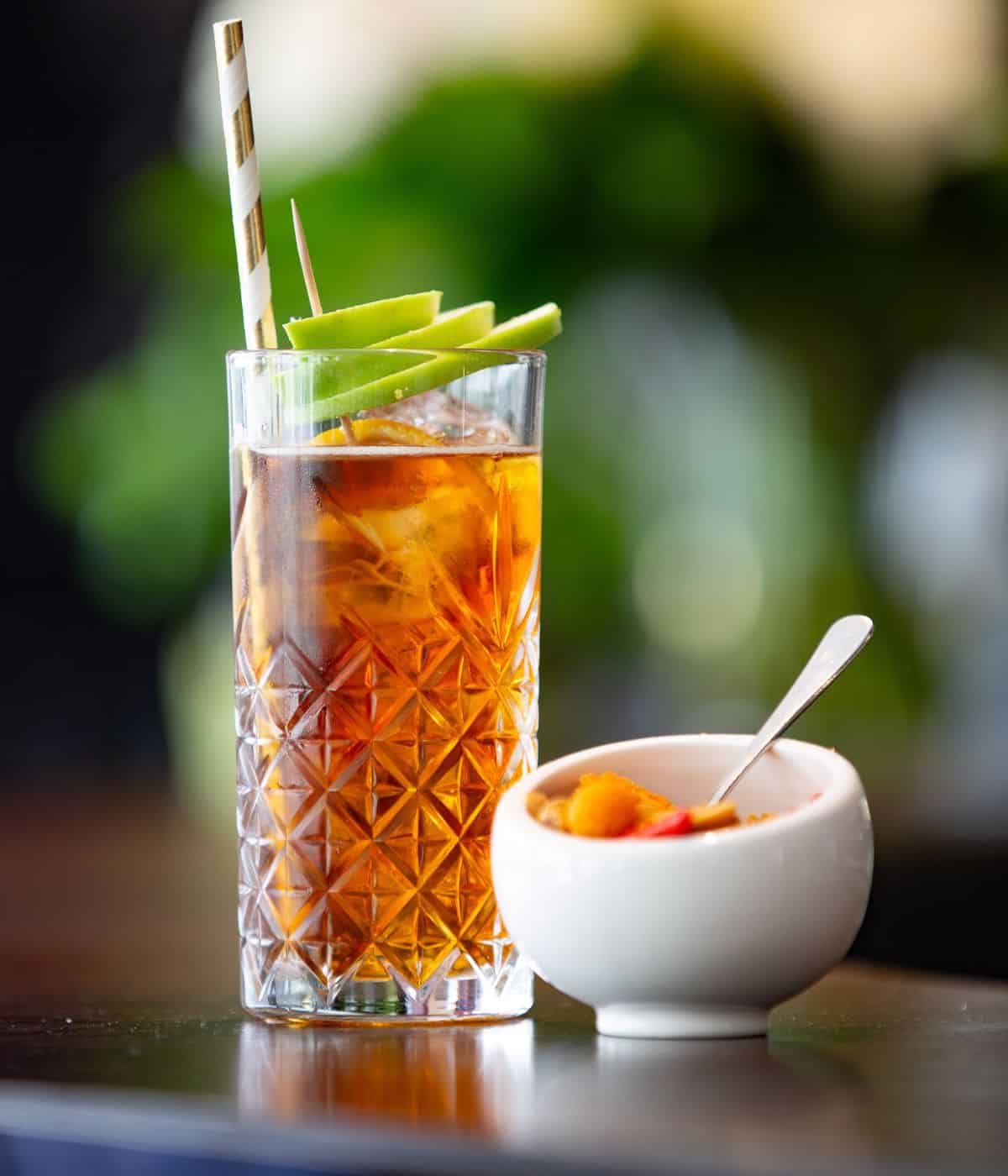
A highball is tall, fairly narrow and usually holds about 8 to 12 ounces. It is made for drinks with plenty of ice and a larger proportion of mixer—exactly the kind of cocktail you want to sip slowly at a party.
Think Gin & Tonic, Rum & Coke, Vodka Soda or a Mojito. Highballs are also terrific for iced tea, lemonade and mocktails, which is one reason I consider them such a useful entertaining glass.
Collins Glass
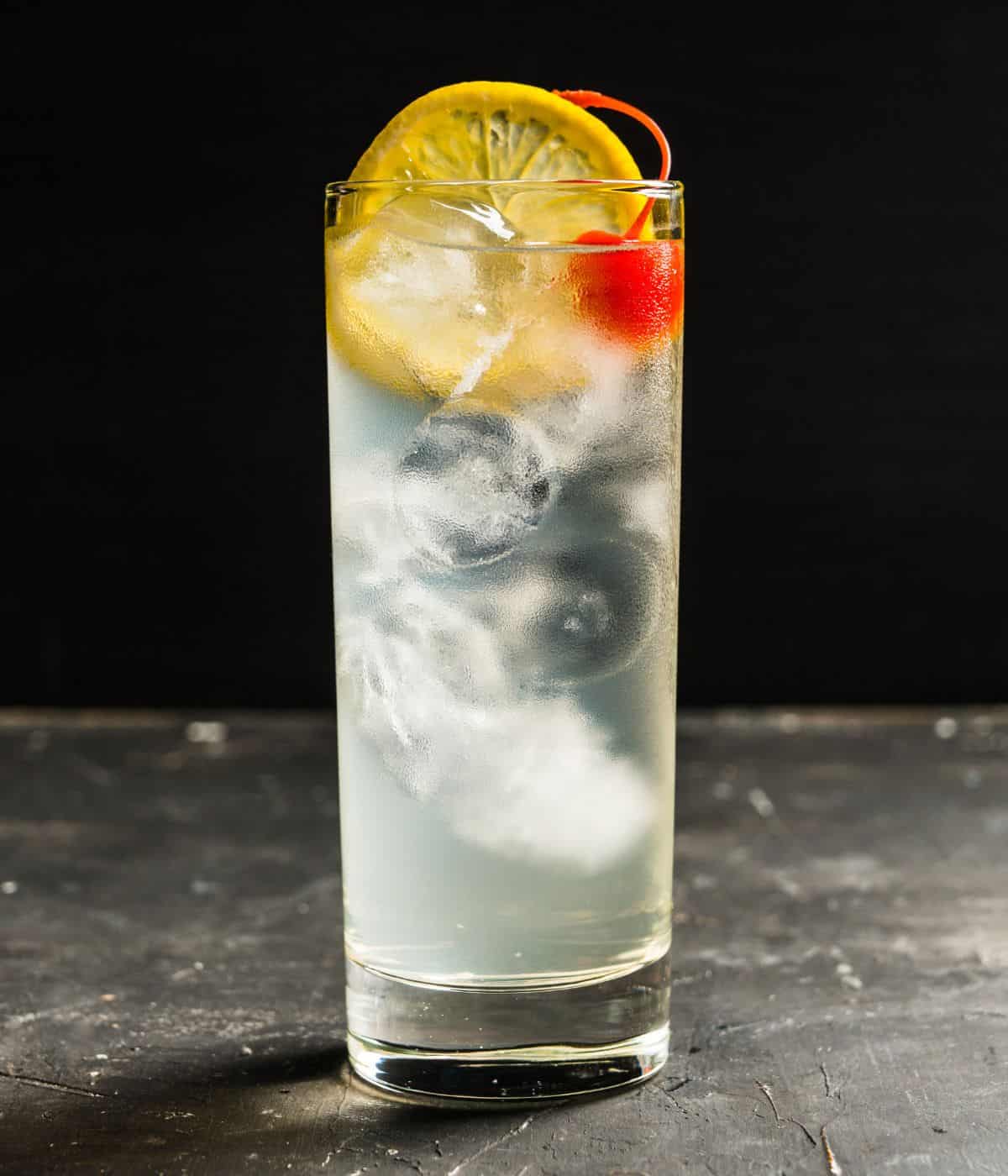
A Collins glass is typically taller and narrower than a highball and is traditionally used for long, bubbly drinks such as a Tom Collins.
Highball vs. Collins: you do not need both unless you want both. For most home bars they are interchangeable enough that I would choose whichever shape you like and have room to store.
Wine Glass or Goblet
Do not overlook the wine glasses you already own. A roomy wine glass or goblet is perfect for an Aperol Spritz, Limoncello Spritz, sangria and large botanical gin drinks. If you are short on storage, this is one of the easiest ways to avoid buying another specialty glass.
Moscow Mule Mug
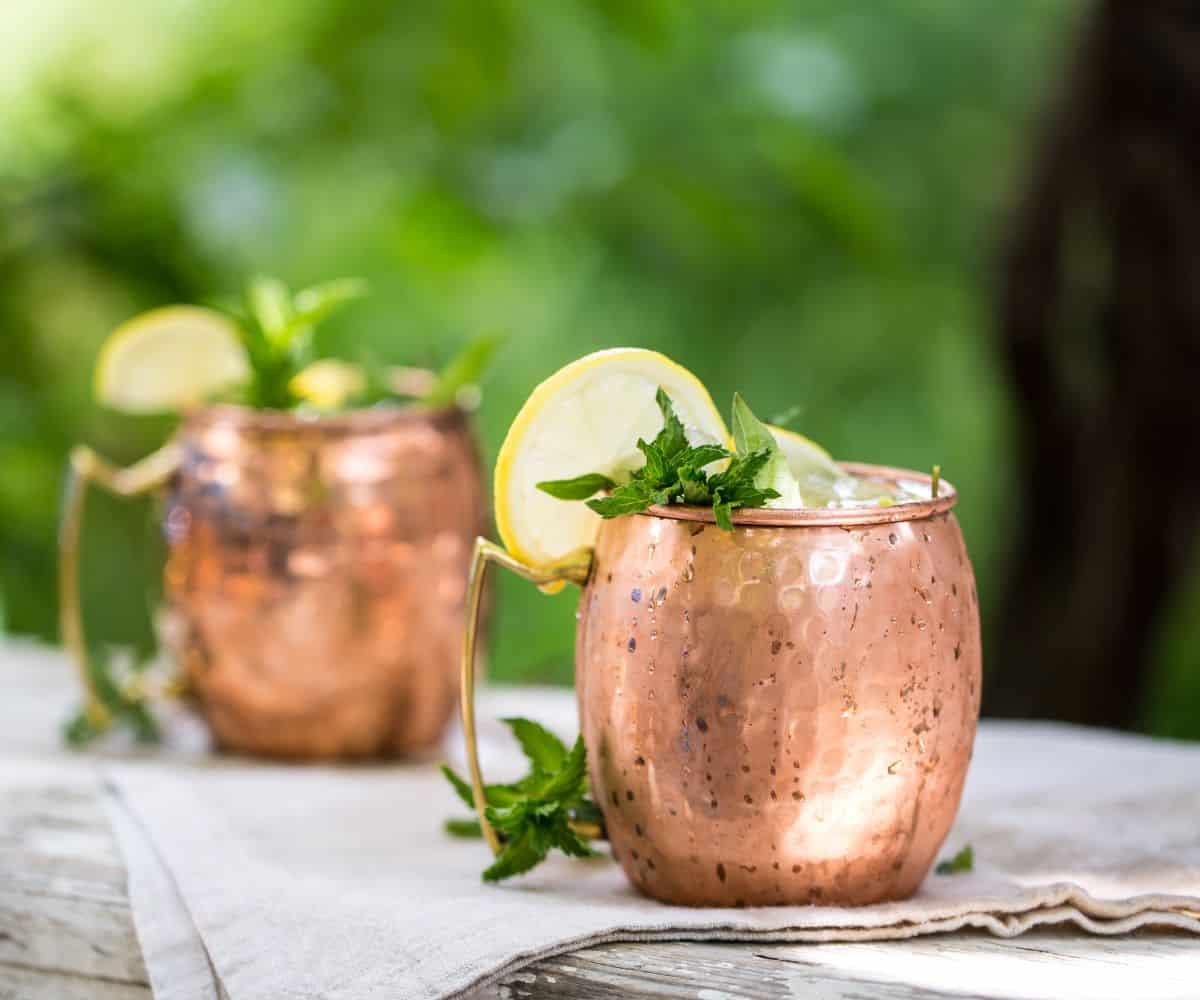
The Moscow Mule mug deserves its own spot rather than being buried with obscure specialty glassware. The copper mug is part of what makes the drink so recognizable, and a row of them on a party bar looks fantastic.
A Moscow Mule itself is simple—vodka, ginger beer and lime—and you can absolutely make one in another glass. But this is one of those cases where the vessel is half the fun. If you like the look, copper Moscow Mule mug sets come in everything from classic polished copper to hammered and decorative finishes.
If you are buying copper mugs, look for a food-safe lined interior, such as stainless steel, rather than bare copper when serving acidic drinks like a lime-based Moscow Mule.
Specialty & Sipping Glasses
These are the glasses I would buy because you love a particular drink, love the look, or entertain often—not because someone told you a home bar is incomplete without them.
Brandy Snifter
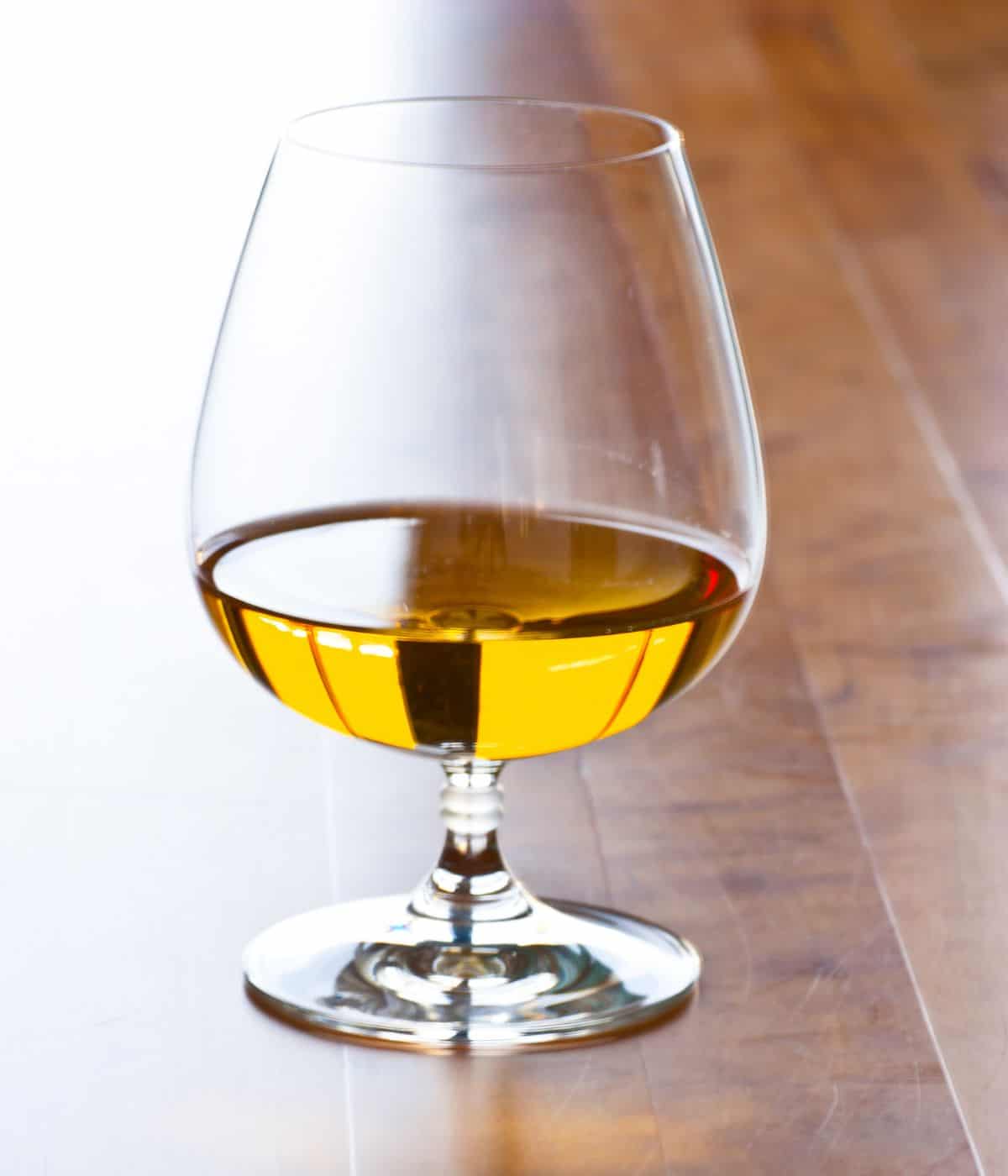
A brandy snifter has a broad bowl that narrows toward the top and is designed more for sipping spirits than for everyday mixed drinks. The shape gives brandy or Cognac room to open up while concentrating aroma near the rim.
It is a nice glass to own if you regularly serve brandy, Cognac or aromatic after-dinner drinks, but I would put it well behind a rocks glass on a first-home-bar shopping list.
Margarita Glass
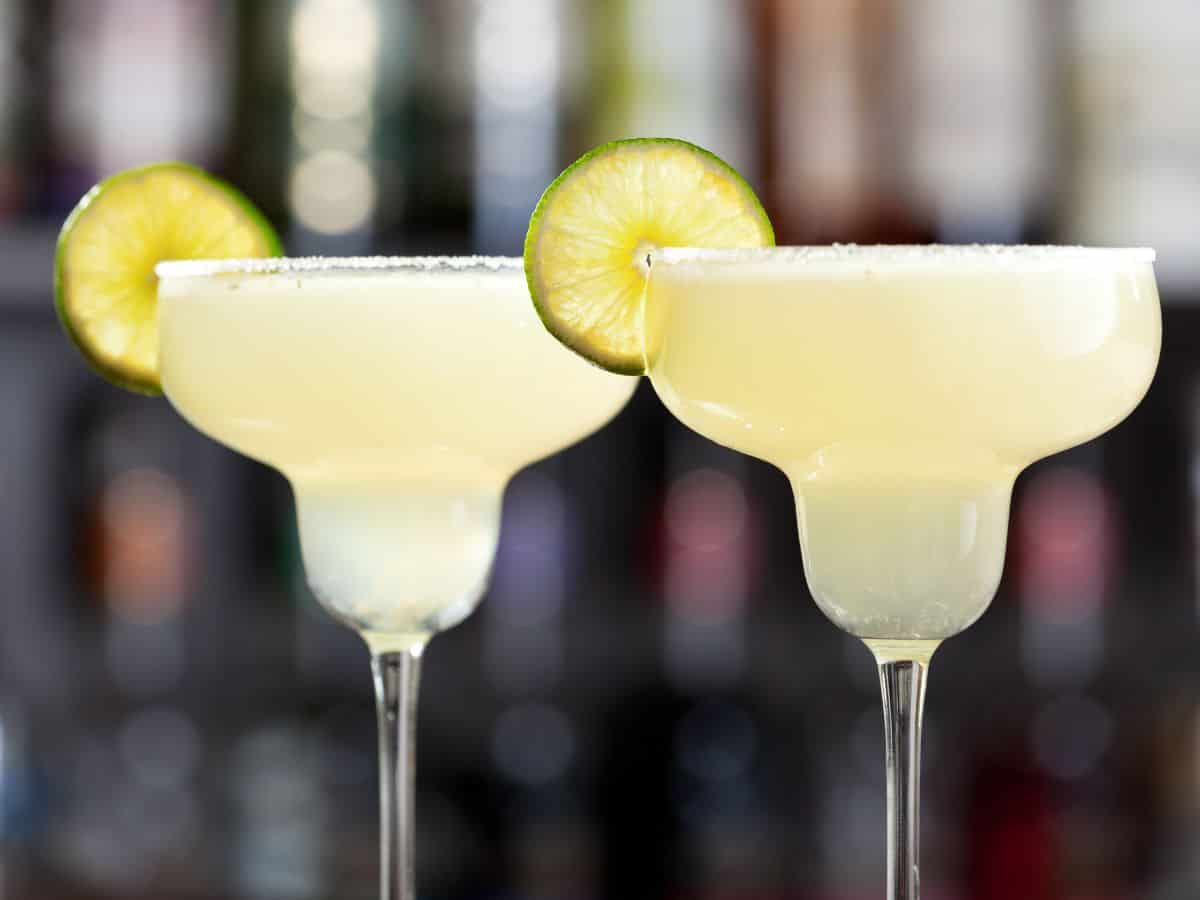
The margarita glass has that unmistakable stepped, wide-rimmed bowl that gives you lots of room for a salted or sugared rim. It is fun for frozen drinks and makes a margarita look immediately festive.
Is it required? Not at all. A rocks glass or coupe works beautifully for many margaritas. If margaritas are a regular event at your house, though, the specialty glass can be worth the cabinet space. For a crowd, see my large-batch margarita pitcher recipe.
Hurricane Glass
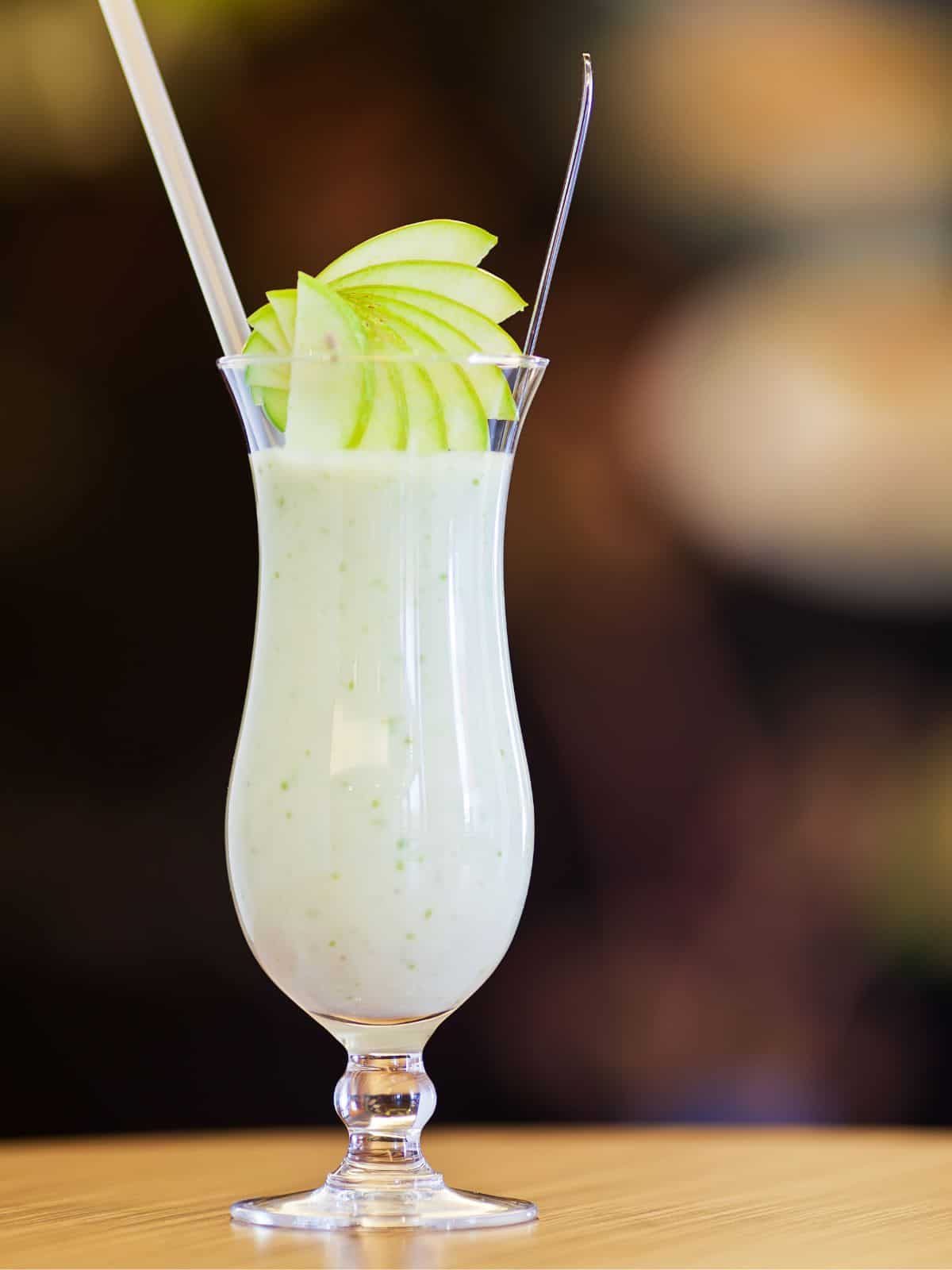
The curvy hurricane glass was made for tropical presentation. Its tall shape gives you room for crushed ice, fruit and a generous garnish, which is why it shows up with Hurricanes, Piña Coladas and colorful tropical drinks.
It is definitely a specialty piece, but if you make tropical drinks often—or simply love the look—it earns its keep. A colorful Blue Lagoon looks especially good in one.
Irish Coffee Glass
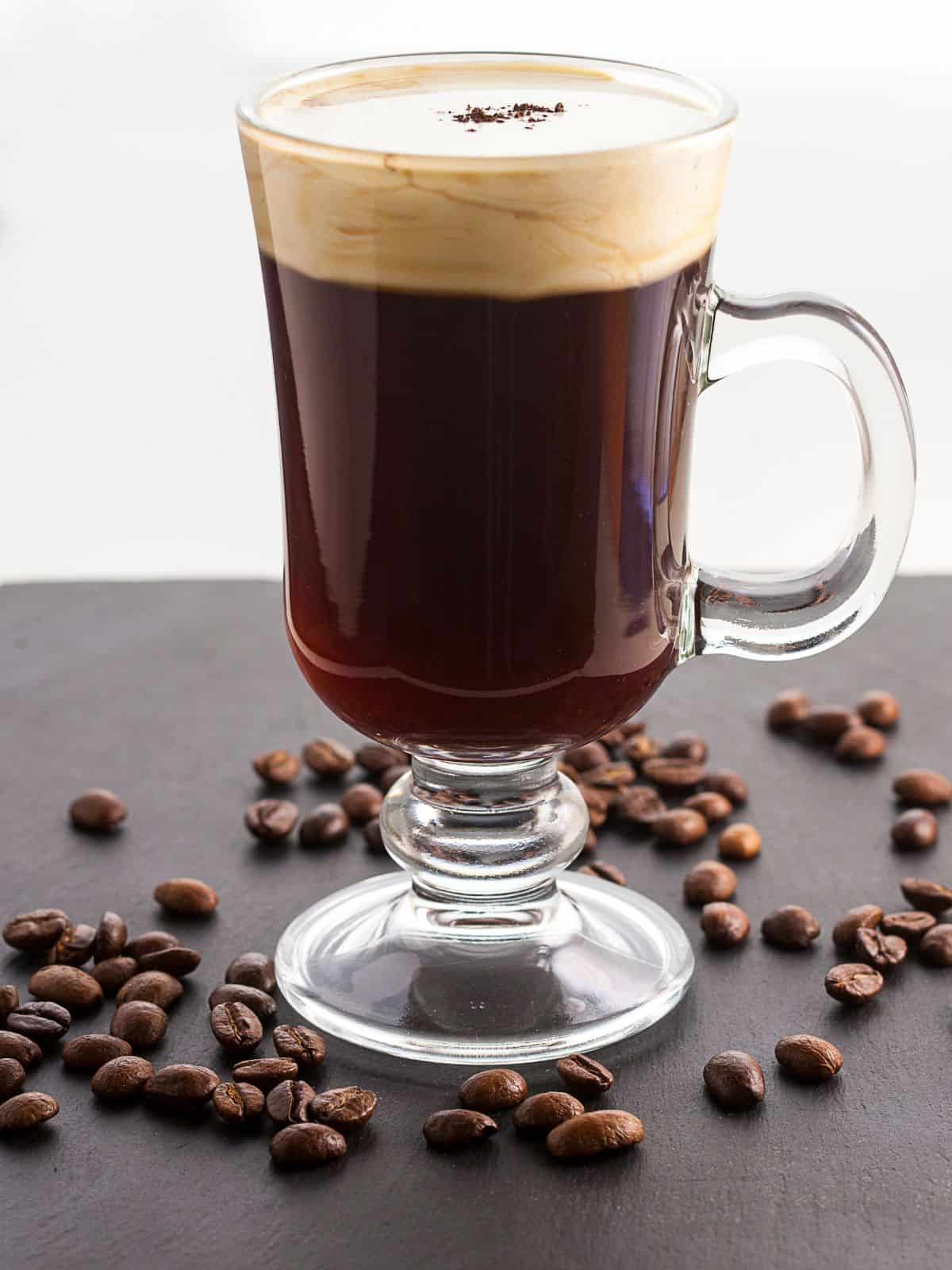
An Irish coffee glass is designed to show off hot layered drinks while still being comfortable to hold. If you plan to serve hot cocktails, choose one specifically made for hot drinks. It is great for Irish coffee, spiked hot chocolate and other warm cocktails.
Sour Glass
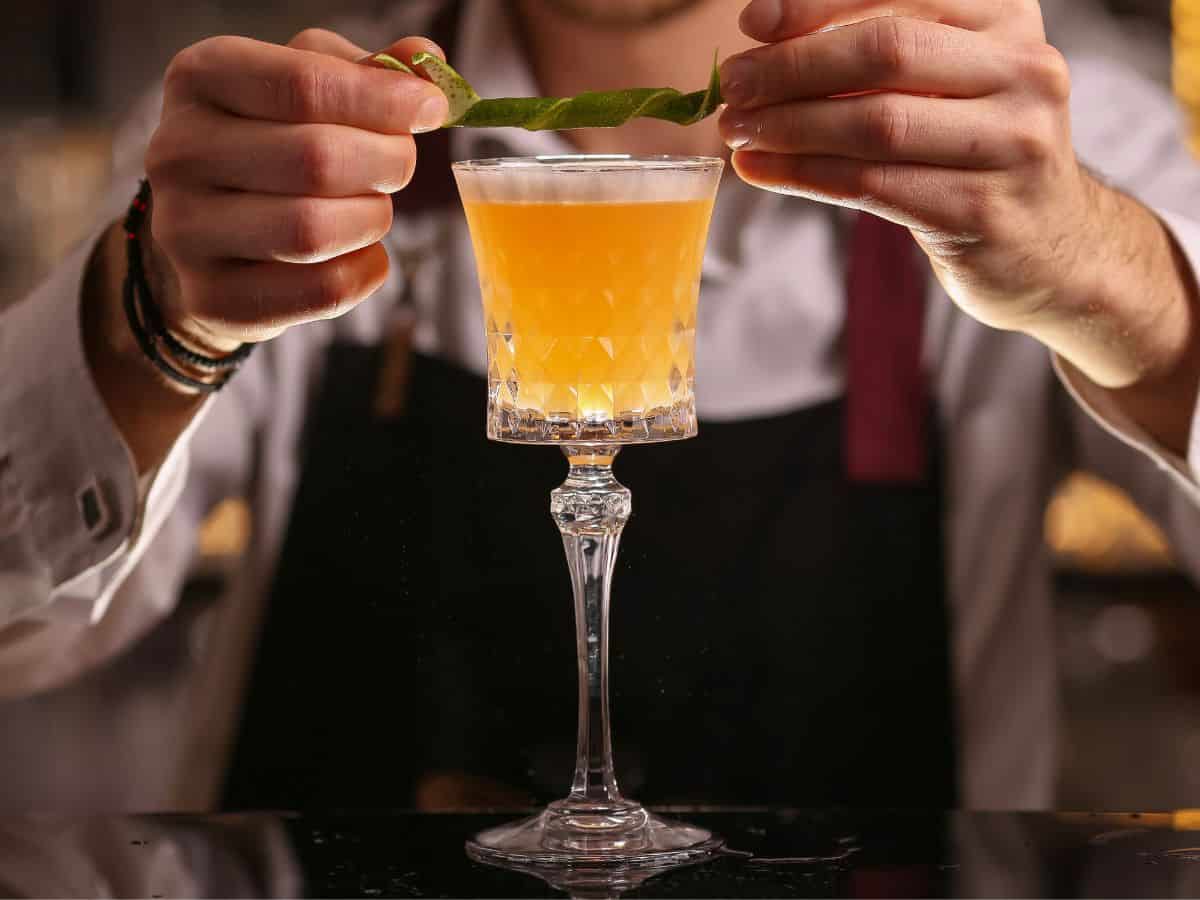
A sour glass is a small stemmed glass with a rounded bowl and flared rim. It is traditional for sours and other smaller shaken drinks, but this is very much a nice-to-have piece. A coupe or Nick & Nora can do the same job in most home bars.
Cordial or Liqueur Glass
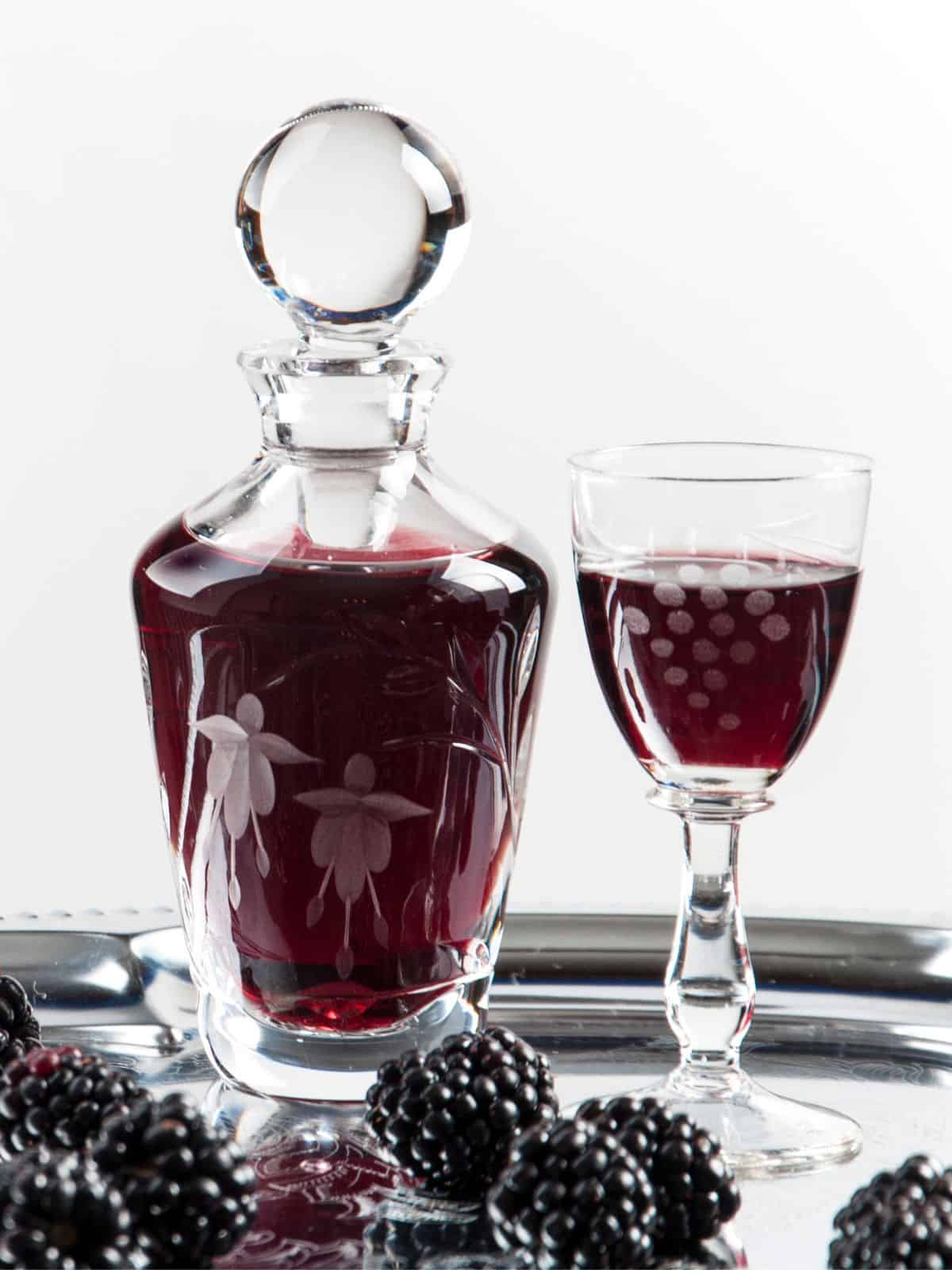
Cordial glasses are tiny stemmed glasses intended for small pours of liqueurs and after-dinner drinks. They are charming when you actually serve cordials, but they are not something I would buy solely for cocktails.
Grappa Glass
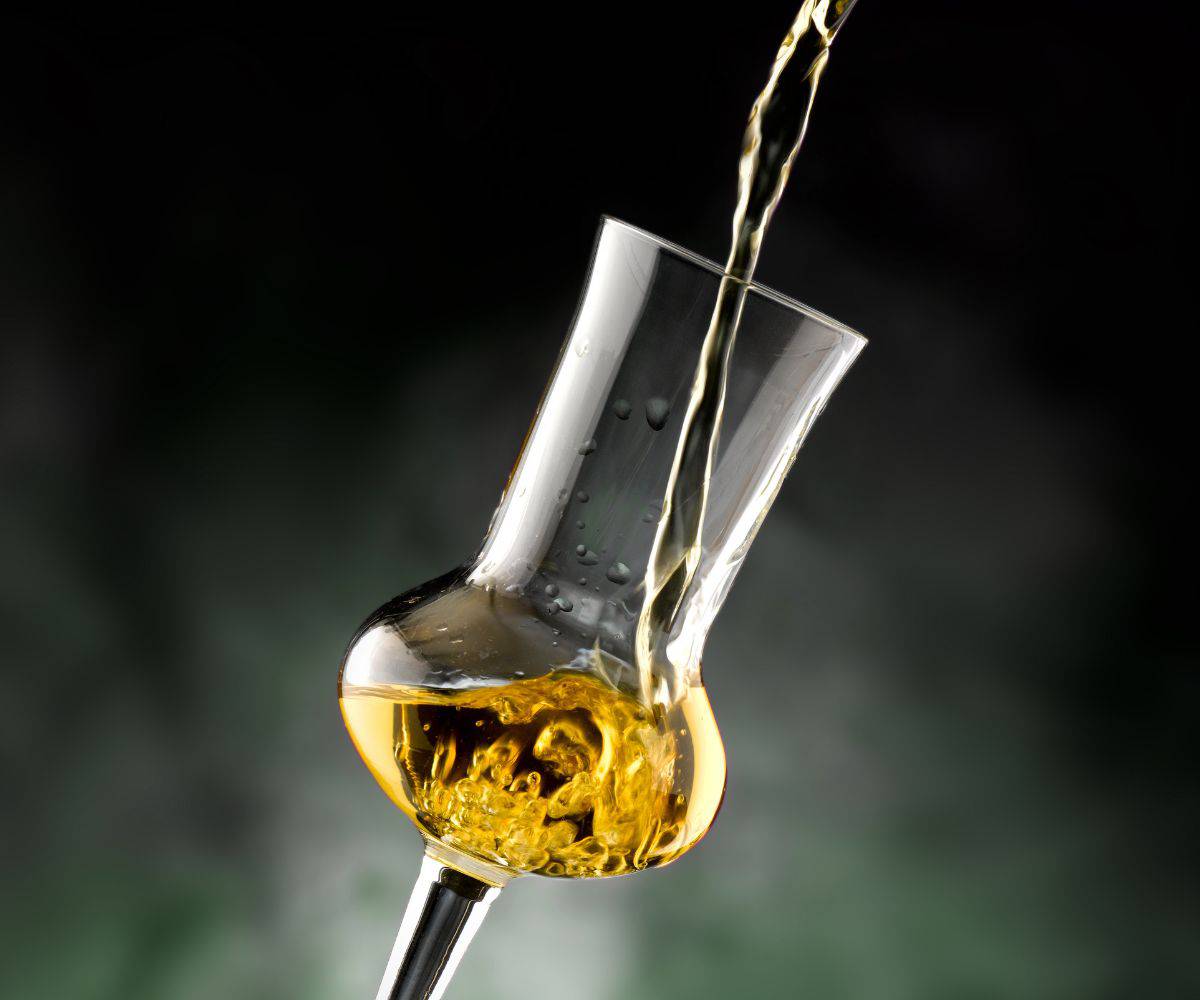
A grappa glass is another sipping glass rather than an essential cocktail glass. Its narrow waist and flared top are designed for aromatic spirits such as grappa. File this one under "lovely if you use it, completely optional if you do not."
Once the basics are covered, this is where glassware gets fun. Margarita glasses, hurricane glasses, Irish coffee glasses, sour glasses and cordial glasses can make a home bar feel collected over time. If you are browsing, a specialty cocktail glass collection is a better place to compare shapes than buying one random glass at a time.
What Cocktail Glass Should I Use?
| If the drink is… | Use… |
|---|---|
| Chilled and served without ice | Coupe, Nick & Nora or martini glass |
| Spirit-forward or served over a large cube | Rocks / Old Fashioned glass |
| Tall with soda, tonic or another mixer | Highball or Collins glass |
| Frozen or very tropical | Margarita, hurricane or a roomy wine glass |
| Sparkling | Flute or wine glass |
| Hot | Heat-safe Irish coffee glass or mug |
Those are guidelines, not laws. If you love the glass and the drink fits comfortably in it, use it.
How Many Cocktail Glasses Do You Need for a Party?
A good starting point is about 1.5 to 2 glasses per guest, but this is one of those party questions where the right answer really depends on the people and the drinks.
If everyone is drinking the same cocktail, one glass per person plus a few extras may be plenty. If guests will move from wine to cocktails to something sparkling, 1.5 to 2 glasses per person gives you more breathing room. It also depends on whether you are willing to wash glasses during the party.
And if your friends are the type to set down a drink and immediately forget where they put it, I would lean toward two.
For most parties, I would rather choose two glass styles for the evening than put every piece of glassware I own on the bar. A coupe plus a rocks glass, or a highball plus a wine glass, can cover an impressive number of drinks.
How to Chill a Cocktail Glass
For a drink that is meant to be served very cold and without ice, chilling the glass is an easy upgrade. The simplest method is to fill the glass with ice while you make the cocktail, then dump the ice just before straining. If you have refrigerator or freezer space, you can chill clean glassware ahead of time instead.
Cocktail Glass FAQs
What is the most versatile cocktail glass?
For me, it is a rocks glass. You can use it for spirit-forward cocktails, drinks over ice, neat pours and even a margarita in a pinch. A coupe is probably the most versatile stemmed option.
Can I serve a cocktail in the "wrong" glass?
Absolutely. Glassware can help manage temperature, aroma, carbonation and presentation, but it should not stop you from making the drink. Use what you own and upgrade the pieces you reach for most.
What is the difference between a coupe and a martini glass?
Both are stemmed glasses for chilled cocktails served without ice. A martini glass has a straight V-shaped bowl and very wide rim; a coupe has a rounded bowl that is generally easier to carry without spilling.
What is the difference between a highball and a Collins glass?
A Collins glass is typically taller and narrower, while a highball is a little shorter and wider. Both are designed for tall drinks with ice and mixers, and most home bartenders can comfortably use one style for both.
What does "served up" mean?
A drink served up is chilled with ice while it is shaken or stirred, then strained into a glass without ice. That is different from a spirit served neat, which is poured without ice and without chilling.
Final Thoughts
The best cocktail glass collection is not the one with the most shapes—it is the one you actually use.
If cocktails are a regular part of your parties, you may also like my cocktail party ideas, Mimosa Bar and DIY Mojito Bar.

Tried the recipe? I'd love to hear your thoughts below!